Social influencers and content creators, many of whom first distinguished themselves by making and distributing content on a single platform (Instagram influencers, YouTube creators and Vine aficionados), are benefitting from platform proliferation.
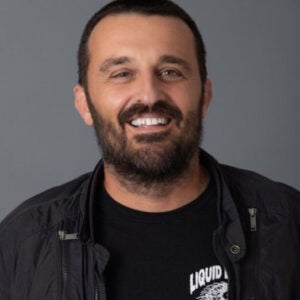
Nicola Foti, for instance, parlayed his experience making personal videos and sketches on YouTube for more than half a decade into a multichannel production company, which significantly expands his potential future earnings.
“When I have a sponsor, if I make a video for it on my main (YouTube) channel, a part of the deal will also be that I tweet it out and put a clip on Instagram and Snapchat,” said Foti. “The idea is I think that multiple views make people more inclined to remember the brand or check out the brand and why I’m promoting it.”
A cross-channel campaign also adds to, or even multiplies, the amount a brand will pay for a campaign, according to many social media content producers AdExchanger spoke to. Once the content’s in the bag, it requires little work to push across channels.

Social media production isn’t quite a full-time job yet, but it’s moving in that direction, said Kevin Nether, who has about 108,000 subscribers to his “Kevin the Tech Ninja” YouTube channel, 40,000 Twitter followers and is looking to “diversify his social media portfolio” with Snapchat and Instagram.
Numerous companies exist solely to facilitate the relationship between brands and content creators like Kevin – increasingly referred to as “micro-influencers” to distinguish them from Instagram/Twitter celebrities who get paid massively more for mere social media mentions.
While major media holding companies are trying to formalize the talent acquisition, measurement and buying processes for social media creators, it’s still pretty much a free-for-all.
For instance, although Cody Johns has an established cross-channel brand with hundreds of thousands of followers across social media platforms, he said he has to be flexible enough to adjust to brand needs or open up a revenue angle.
There’s also very little information feedback between the content creator and the brand or agency.
“The brands have ways to look deeper and see deeper analytics,” said Johns, who himself uses cross-channel production and management tech, but not the kind of enterprise marketing services brands deploy.
“The brand may occasionally let us know if it’s effective or moves products,” he said, and sometimes a tracking link might be added to a post, but there’s essentially no feedback on what worked or didn’t work beyond visible metrics such as retweets, comments and likes.
“If the brand comes back for a second campaign, you know there must have been positive ROI,” said Jason Nash, a professional social media content creator.
While marketers work on measurement, they keep those efforts away from influencers and users. Brands don’t interfere with the creative, but they also don’t incentivize the results.
“I prefer it that way,” said Nether, who said he’d rather take a flat fee over a commission tied to views, engagement or sales, though he knows people who get paid based on KPIs.
“But I invest so much time in making these videos, I shouldn’t be penalized if nobody wants to buy the product,” Nether said.
Second-order effects like sales and retargeting audience segments are important to the marketer but obscured from the influencer. And that list can also include user-generated content (UGC), a major driver of influencer marketing growth as a way to get organic social media posts about a brand.
“I remember one campaign I ran with McDonald’s goofing around about their dollar menu on Snapchat and Twitter, and they were clear they wanted UGC they could use,” said one influencer who requested anonymity due to a nondisclosure agreement and ongoing campaigns.
“I was getting all these responses like, ‘Ohhh yes, tenders for life,’ and ‘I’m starting a Kickstarter for pillows stuffed with McDonald’s fries,’” he said. “And if you check the McDonald’s brand’s own parallel posts for the campaign, it’s just people saying horrible things to them about animal welfare and heart disease.”
He paused.
“How do you measure that?”