 The extent to which data drives an online brand’s marketing varies distinctly, a key theme that emerged at Quantcast’s data summit in New York on Thursday.
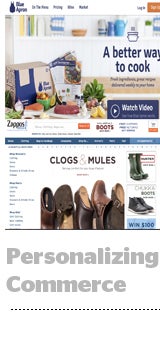
For Blue Apron, a subscription commerce site and meal delivery service, data helps refine the online experience but is less applied to offline investments. For Amazon-owned shoe and apparel e-tailer Zappos, data transcends ad placements and site personalization.
Blue Apron delivers to its subscribers (it has a plan for couples and a more expensive family plan) locally sourced ingredients and interactive recipes, so they can produce home-cooked meals.
“The first week we launched our family plan, we featured tofu on the menu and it was a total mistake,” said Jared Cluff, VP of marketing for Blue Apron, speaking Thursday at Quantcast’s data summit in New York. “Data drove us to get rid of the tofu” because Blue Apron correlated a drop in sales to a food item that didn’t resonate with kids’ tastes.
But there are the non-digitized aspects of its marketing model, which hold equal weight to digital attribution, Cluff said.
“We want people to experience the product,” Cluff said. “Cooking is a very physical experience, but how do you explain this kind of service that didn’t exist two years ago?”
Blue Apron is delivering more than 3 million meals a month now, but building awareness is key for a company in the growth stage. It’s doing so through out-of-home activations like subway signs to tell its brand story: remove the exclusivity from a healthy, home-cooked meal.
To measure, Blue Apron added an offer discount code to the subway ads, which – when accessed – it could attribute back to that respective campaign.

“We make decisions everyday based on data and validate it with measurement,” Cluff said. Though, in certain instances, creative and storytelling come first. “We don’t design TV ads through data. Storytelling and the creative is really important to our brand.”
Conversely, data informs most if not all aspects of Zappos’ organization.
“We’re a technology company, but we’re a service company first,” said Lisa Archambault, head of media strategy and brand/co-op marketing for Zappos. “We’ve always used data to find new customers, but recently we pivoted our strategy to go after the best customer, not always the new customer.”
Zappos’ marketing team instructed its data analytics team to identify Zappos’ “best” and most frequent customers. Using a combination of first- and third-party data, the team unearthed seven segments and narrowed that down to two key segments to find and nurture.
Segment one was more elusive and tended to spend 30% more on themselves than any other customer segment. Segment-seven customers don’t have a lot of time and therefore prefer a curated commerce experience.
These attributes are applied to ad placements.
“We have a 3-D mobile unit, which [fit segment one] because they want to look, touch and engage,” Archambault said. “I wouldn’t throw that in front of segment seven because they’re more pragmatic and time constrained.”
Zappos is also weaving data insights to increase website personalization. It tracks hourly sell-through rates to determine how products are trending and augments call center data to determine if there are correlations between complaints (or positive feedback) on certain product categories.
All insights are fed back into a common dashboard used by Zappos employees.
“We have a lot of things coming down the pike to ease pain points for our best customers,” she said. “We’ve been ingesting a lot of data, learning and partnering with brands who have a physical relationship with the consumer.”
It’s also deriving more nuanced insights around key segments, such as do segment-seven consumers shop more at Whole Foods or Apple?
Archambault said Zappos’ data strategy and its use of customer experience tools like NetPromoter scores have improved personalization.
“A few years ago we didn’t have frequency caps or dynamic ads and we got a lot of negative press because of it,” she acknowledged. “Now we have a brand health threshold for user feedback. If you’re retargeted, we may say, ‘Here’s why you’re getting this ad. If you dislike it, please tell us why.’”