Google, a sleeping giant in the podcast space, is starting to open its eyes and stretch.
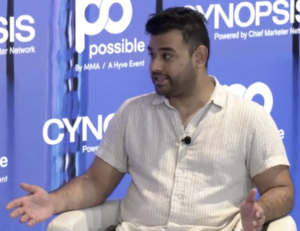
Since launching its native podcast app for Android last June, Google has worked to improve podcast discovery, offered more titles and connected podcasts to its voice assistant and vast search business, said Zack Reneau-Wedeen, product manager at Google.
“Google is in a unique position with billions of searches every day and Google Home,” he said at the RAIN podcast business summit in New York City on Tuesday. “We’re building a podcast app, making it available across the world, making the experience feel like it’s built for you and empowering publishers to create and sustain content for listeners.”
Despite plenty of competitive listening apps, Google hopes to grab its share of podcast listeners by including audio in web search results. If a person searches for “Radio Lab” on their phone, for example, one result will link out to the show on Google’s podcast app.
Starting this week, Google will make podcast search results even more granular by returning specific episodes, rather than overall shows.
Soon, Google hopes to place podcasts in search results even if the queries don’t specifically request a podcast. Google will use speech-to-text to understand audio content, and surface the program if it’s relevant to a search.

A search for CRISPR, for instance, could offer up a “Radio Lab” podcast, Reneau-Wedeen said.
Over time, Google will have a better awareness of when it makes sense contextually to serve an audio search result. If a person is wearing earbuds, a podcast might make more sense as a search result than if that person’s headphones are not plugged in.
“We can be thoughtful about when we decide to weave podcasts in,” Reneau-Wedeen said.
Google is also incorporating its podcast app across devices like Android Auto and Google Assistant. Voice assistants in particular offer opportunities for creators to rethink what a podcast is and should sound like.
For example, a student could ask their smart assistant “What is GDP?” while studying for an economics exam. Instead of an automated, robotic reading of a Wikipedia page, Google Assistant could surface a curated audio snippet that’s more engaging for the listener.
“Podcasts are a more flexible medium than people think,” Reneau-Wedeen said. “It’s just a format for publishing audio to the world.”
With more than 1 billion people searching on Google every day and Android phones prevalent among international audiences, Google has a huge opportunity to grow the overall podcast listener base.
But it’s still early days.
“Everyone’s really impatient for podcasts to become mainstream, something people do as often as search or Instagram,” Reneau-Wedeen said. “But it’s not an overnight thing.”