

 In 2012, Target had to swallow a few hard truths. Its digital platform relied solely on third-party code and it had little to no engineering talent in-house. And it was playing catch-up with mobile.
“My focus has been on moving toward an agile product model where we rewrote our code [over three years] for about 70% of brand experiences,” said Target.com President Jason Goldberger, speaking Wednesday at the Internet Retailer Conference and Exhibition in Chicago.
“We spent tens of millions of dollars reinventing our store assets into flexible distribution models where guests have full control over whether they buy online or pick up in-store.”
It’s appeared to pay off – 25% of digital orders are picked up in-store, edging closer to 50% during peak holiday seasons.
In addition, it’s testing more flexible consumer models, including curbside pick-up, ship from store, free shipping for all online orders last holiday season and a Target Subscriptions business for repeat household purchases.
“Yes, there was a real cost per order [with free shipping] and we had to eat that cost, but we found our digital sales soared because guests realized the value we were giving them,” said Goldberger. “The economics of losing a guest to our competitor is no longer a consideration.”
Target initially worried its subscription business would cannibalize in-store sales, but it discovered just the opposite. While customers ordered high-frequency items (paper towels, dish soap) via subscription, they increasingly are buying bigger-ticket items like patio furniture online, which will soon surpass the volume purchased in-store.
A retailer of Target’s size and scope has needed to challenge long-rooted assumptions in order to evolve.

“We pressure tested the hell out of our site and picked apart every part of the experience to ensure it worked flawlessly with our apps,” said Goldberger, who noted that despite the brand’s preparations, it still experienced a site outage (and very public fiasco that followed) in the heat of a highly anticipated promotion with designer Lilly Pulitzer.
“Guests had stayed up all night to get their hands on the most coveted sundresses in the world, and nothing was working,” Goldberger recalled. “Guests using our app couldn’t get through to the bottom to make a sale. Any way you cut it, it was a big disappointment.”
Goldberger said the brand partially missed the target on #LillyForTarget because it didn’t rely on real-time data or properly anticipate the tidal wave of consumers who would flood its mobile apps and site. Using six-month-old data as a proxy for present behavior wasn’t sufficient, but in some respects Target has had bigger fish to fry – a 2013 customer data breach resulted in a $10 million settlement. 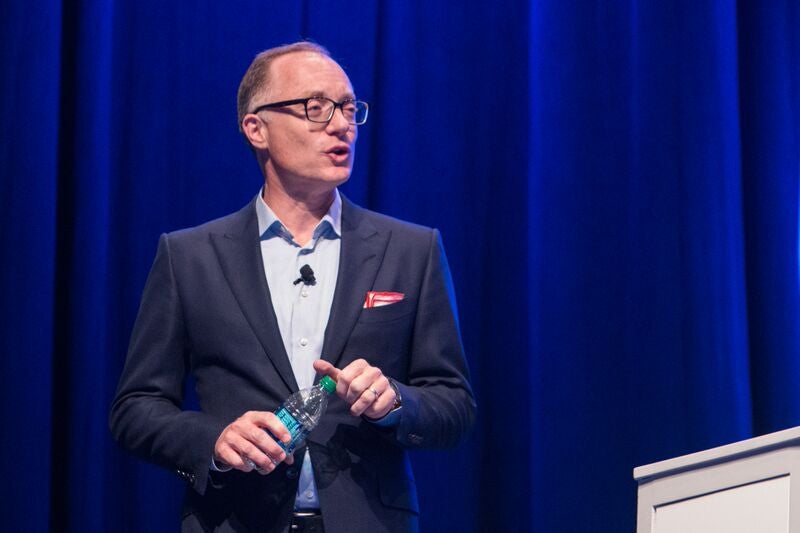
But Target has bounced back and is exploring more ways to personalize app experiences to strengthen their value to customers.
“Understanding what guests aren’t doing in-store is really important,” said Alan Wizemann, VP of product for mobile and Target.com. “We’re finding out how to use the context from all of our applications and sites [to determine] what people are doing at home [when they’re not shopping].”
Target develops a range of hyperspecialized apps including its flagship store app, Cartwheel, which provides savings for in-store shoppers, and Target Registry, for special occasions like wedding and baby registries. Since the retailer has seen mobile conversions increase 50%, a big initiative beyond native apps is tailoring content experiences for mobile web with device specificities, Wizemann said.
Still, Goldberger claimed the retailer is not channel-obsessed, mobile or not, given consumer fragmentation’s impact on publishers and retailers.
“HBO stopped releasing morning-after viewing numbers because they change by the end of the week, [just like] millions of people are reading The New York Times without actually reading The New York Times,” he said. “The New York Times is a fast track to Facebook. Readers or shoppers won’t remember which channel they visited you on – the content and brand behind it matter far more than the vehicle.”









