While about 80% of engagement with sponsored content on LinkedIn now happens on mobile, marketers had a hard time influencing the final conversion on that channel.
So LinkedIn expanded its native ad arsenal on Tuesday by launching lead-gen ads, which aim to reduce friction with lead-gen forms and improve marketers’ mobile conversions.
Although it sounds basic, enabling a direct response like “find out more” on mobile wasn’t always so simple.
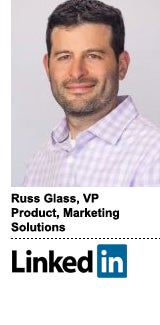
“Every landing page was different, you’re using a small keyboard and we found members just didn’t want to fill out forms on mobile,” said Russ Glass, VP of product for LinkedIn’s Marketing Solutions group. “Conversion rates were just lower than they are on desktop, but that’s where a majority of our engagement happens.”
Also, while LinkedIn generated high-quality leads because of its registered user data, competitors offered more affordable options.
“When we’re compared with [other platforms] on a CPC basis, we don’t compete that well, frankly, because we’re expensive,” Glass said. “But when we compete on a cost-per-lead basis, we do really well, particularly in B2B environments.”

That disconnect led to suboptimal ROI for marketers, so LinkedIn revamped its strategy.
Once an ad is served, lead-gen ads pre-populate forms with a user’s LinkedIn profile information directly within the mobile feed, rather than asking a user to fill out a “contact us” form on a company’s page.
Once they hit submit, the information is fed to a marketer’s CRM or marketing automation system. That tweak improved LinkedIn mobile conversion rates by an average of 30%.
LinkedIn has also eyed upper-funnel opportunities by launching features like Trending Storylines. But the social network’s true aim is to connect the dots between branding and lower-funnel tactics.
“As we start to get liquidity and scale these products, we’ll know what are people interested in, what products and services are they searching for,” Glass said. “Then, we’ll start to expose that as new targeting methods that go deeper than sponsored content.”