
Here’s today’s AdExchanger.com news round-up… Want it by email? Sign up here.
Getting Ugly
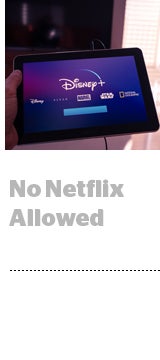
Disney has banned ads from Netflix across its platforms as it gears up to launch a subscription streaming service in November, The Wall Street Journal reports. Disney, Comcast and AT&T will spend hundreds of millions of dollars each on advertising over the next year as they fight for subscribers. Earlier this year, Disney set a decree across its properties to not accept advertising from rival streaming services, but was able to reach an agreement with all “to reflect the comprehensive business relationships we have with many of these companies.” Disney doesn’t have a business relationship with Netflix, however, because it doesn’t carry ads. While it’s common practice for networks to reject ads from rival broadcasters, especially when they contain a specific air date and time, Disney’s all-out ban on Netflix is a sign that competition will be much fiercer in the streaming era. More.
Time Crunch
TikTok has a subtle but important differentiator from other social media companies: its absence of time. Videos have no dates or timestamps, and accounts don’t show when a user signed up. Wired writes that TikTok’s absence of time “ripples across the entire platform.” For one thing, it means videos that have gone relatively unnoticed for a time can suddenly go viral, without Twitter’s, YouTube’s and Instagram’s preferences for new content. Other social networks have moved away from straight chronological feeds, but TikTok takes its anti-time mentality a step further. For instance, it blocks the default smartphone clock from displaying while the app is in use, a strategy lifted from casinos to keep people from exiting. More.

Got Oat Milk?
“We don’t spend a dime on mobile, digital, social,” Oatly general manager Mike Messersmith told marketers at the ANA Masters conference in Orlando on Friday. Instead, the oat milk purveyor skews toward old-school media like print, radio, podcasts and outdoor ads. A typical outdoor banner: “We made this mural instead of an Instagram post. Hope a barista walks by and sees it.” Oatly avoids using data as a “crutch” to minimize risk, he said. The company, which faced shortages of its product in the past 24 months as it skyrocketed in popularity, did understand the value of targeting: it entered the US market by encouraging people to try oat milk lattes made by a professional barista – which it knew would be delicious – then expanded more broadly. It’s gone from 0.1% to 4% market share in its category.
But Wait, There’s More
- The People With Power At Facebook – The Information
- Sky News Is Broadcasting On Amazon’s Twitch – Digiday
- AG Barr Pushes Facebook For WhatsApp Messages – NYT
- Google Weighs Acquisition Of Rival To Video App TikTok – WSJ
- Ad Industry Forms Cross-Measurement Coalition – MediaPost
- Tubi TV Looks To Raise $150 Million – The Information
You’re Hired
- Comcast Spotlight Adds New Leaders In Product, Data And Insights – release
- Bidstack Brings On Adam Fisher As Head Of Sales – release







