
 Here’s today’s AdExchanger.com news round-up… Want it by email? Sign up here.
Gone In An Instant
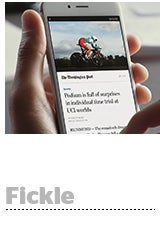
More than half of Facebook’s 72 original Instant Articles publisher partners are no longer using the platform’s fast-loading mobile article format, according to the Columbia Journalism Review. After analyzing 2,308 links posted to publishers’ pages during one day last month, the organization found that 38 publications didn’t post a single Instant Article. The percent of posts published to Instant Article hasn’t really grown since 2016, hovering around 40%. The Washington Post, which went all-in on Instant Articles in 2015, has abandoned the platform entirely. Facebook continues to tout Instant Articles in earnings reports and company announcements, but its brand-name news partners seem to be disappearing. More.
Browser Controls
Yandex, Russia’s most popular search engine, added default ad blocking to its browser. Full-screen ads, autoplay video and ads with countdown timers are among those now automatically blocked by the browser, reports TechCrunch. Yandex has little adoption outside Russia, but browsers everywhere are setting new ad baselines. This month, Google will start enforcing ad standards created by the Coalition for Better Ads, a trade body backed strongly by Google. Yandex uses IAB Russia ad standards, which it helped develop. Alibaba’s UC Browser, a popular browser in China, India and southeast Asian markets, is functionally the world’s biggest ad blocker, since its standards are more in line with commercial ad blockers than with industry trade groups. While the IAB approves of some default blocking, it’s pressured Apple to ease Intelligent Tracking Prevention, a functionality launched late last year that restricts online data and targeting within Safari.

Age Before Beauty
The largest makeup and beauty brands have lost market share in recent years and are losing ground on retail shelves. Some of the top US makeup brands have petitioned chains like Walmart and CVS to return shelf space, but it’s not easy, writes The Wall Street Journal. Startup brands are more flexible on pricing, private-labeling products or even launching lines exclusively with a store. Those startups also bring younger foot traffic. “Big brands have been slow to catch on as social media transformed the way beauty products were discovered, especially by younger shoppers” who discover products on social media. More.
Watch Me Now
Facebook is going after YouTube money by opening its Watch platform to individual creators. Like YouTube, Facebook wants to let creators upload their shows for free and earn a cut of the ad revenue. The platform is betting that with more content, it can grow its share of the TV ad market while increasing inventory and time spent on platform. Many YouTube creators were burned by the video platform’s stricter monetization policies after brands started boycotting over unsuitable content. Trouble for YouTube is an opportunity for Facebook – although taking on someone else’s troubles could lead to, well, trouble. According to CNBC, brands are hesitant to sponsor Watch shows because of brand safety concerns on Facebook. More.
But Wait, There’s More!
- Amazon Asked For Patience. Remarkably, Wall Street Complied – NYT
- How Facebook Stole The News Business – TechCrunch
- Vector Media Acquires Direct Media USA – release
- Backlash Builds Against Big Tech For Targeting Kids – Axios
- In Australia, Amazon Is Still Finding Its Way – Reuters
- Digital Buyers Say Google Search, Facebook Show Best ROI – eMarketer
- Apple Music On Track To Overtake Spotify In US Subscribers – WSJ
- Super Bowl Scores $414 Million In Advertising – MediaPost
- Streaming Services Hand NBC Millions As They Try To Kill TV – Business Insider
You’re Hired!







