
For all the talk about precision and personalization in programmatic, the decisioning is often still stubbornly one-size-fits-all.
That’s the main insight behind Chalice AI, a custom algorithm startup that lets brands bring their own models into walled gardens, DSPs and SSPs.
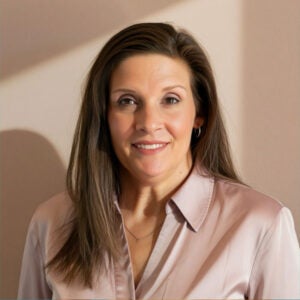
But, actually, please don’t call Chalice a “custom algorithm” company anymore. Although Chalice helped create the category and “custom algorithm” is a useful shorthand, it’s also kind of cursed now, says Chalice COO and Co-Founder Ali Manning on this week’s episode of AdExchanger Talks.

For example, inside holding companies, the phrase has become “sullied,” Manning says.
“There were at least one if not a couple custom algorithm partners who were doing things that the agencies thought weren’t on the up and up,” she says. “Because of that, we would hear stuff like, ‘Well, we’re just not interested in custom algorithm partners.’”
Chalice didn’t want to get tarred with that brush. “There was all this confusion, thinking that we were like that,” Manning says. “We wanted to really differentiate – it’s, like, no, we’re software that runs continuously, and the models are constantly refreshed.”
But category baggage aside, even seemingly simple terminology – the word “algorithm,” for instance – can be a little limiting, she argues, because Chalice now uses generative AI in its models.
The pitch remains the same, though, which is that most DSPs optimize for what they can easily measure – things like clicks, conversions and viewability – despite the fact that it’s typically way more effective to optimize for outcomes that are specific to a brand’s business.
Manning has a pithy way of putting it. She calls the approach “models built for me.”
Take Bayer, for example, which is one of Chalice’s clients. More than 80% of sales for its One A Day vitamin brand still happen in stores, but its Amazon DSP setup was geared toward ecommerce and upper-funnel proxies, like video completion.
Chalice used AI and worked with a panel partner to model people most likely to be “new to brand” shoppers for One A Day and then bid higher against those audiences within the Amazon DSP.
“Now they’re able to use Amazon DSP to drive offline sales and they’ve seen a significant lift in ‘new to brand’ shopping,” Manning says. “It’s using AI models to get much closer to the metrics the CEO and CFO actually care about – which [also] means the CMO cares about it.”
Also in this episode: Chalice’s origin story (which includes Manning getting radicalized during a Senate antitrust hearing about Google’s market dominance), near-death startup moments (including the summer Chalice stopped paying the founders and bridged the company on a handful of small checks from an employee’s relatives) and why containerization and agentic bidding could finally help programmatic live up to its original promise.
For more articles featuring Ali Manning, click here.