
Matt Spiegel is CEO of OMG Digital. This is the first part of a two-part interview.
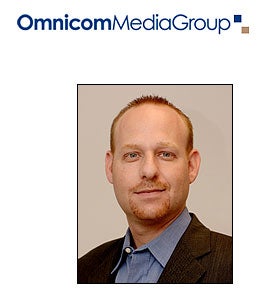 AdExchanger.com: Can you characterize what the buyer/planners of the future will look like? It would seem they have a math skillset and are focused on consumer insights – not just looking over an ad network plan and reporting the click-through rate.
MS: Absolutely. I think the concept of a money manager – an investment manager – is a really good one here. To me, this is where the search and display worlds are coming together. You’ll take many parts of what you have in traditional planner/buyer roles in display and marry them to the skills you have in the search buyer/analyst.
In display today, much of the work is done pre-buy. And in search, most of the work is done post-buy. I think those skills come together. So, it’s beyond simple site analysis, with audience compositions – the new role includes really good insights into who is the target audience and where do they exist.
Now, the data will exist for us to be able to really look at a granular level and say, “Who do I really want to reach? And what are the behaviors that I think are indicative or my target audience?”

Separately, pre-planning can be tied to in-market buying on a real-time basis, or near real-time and, ultimately, move the dials and the money from one site to another, from one audience to another, from one placement to another, all in ways that improves performance.
Performance can be tied to direct response metrics or brand metrics. If you’re going to be able to optimize the money, spend it most efficiently to gain the best performance, you will have to be comfortable with data.
Specifically, you have to be comfortable with taking raw data, and then be able to tell a story from it such as identifying trends in the data that suggest future performance or future opportunities.
So, yes, the buyer/planner will need to gain skills in math and finance, if they don’t typically have it already.
Right. Let’s drill down on that. If someone was considering starting a career in media, how should they prepare? So, it would seem math and finance skills are important.
Yes, that’s certainly a piece of it. I do think, though, what we get lost in – and I’m as guilty as anyone else – is we that think about the new almost instead of the old. I don’t think that’s right.
It’s more additive, than it is replacement. We’re not going to become an industry which is solely science – there’s going to be art and science. Art is still going to be relevant because math equations, for example, can’t tell you that a client is launching a new product and they have inventory to move.
As an industry, we need to make sure we don’t go too heavily into science and forget the art. So, from a young, media career candidate’s perspective, if you’re saying, “I want to be in the media business,” as in the media buying business, I would say they will absolutely need skills in and the ability to understand data and make decisions from data, but also recognize that this is still a creative medium.
You have to be able to understand business beyond what basic statistics can tell you. You have to be able to judge and have a certain level of intuition about how a client, how a marketer, actually goes to market and makes money.
And that isn’t just about buying media. That’s about a much broader set of skills around product packaging, customer service and PR. I’m not saying you have to be experts in those things. But, if you don’t have some sense on how your role fits into that bigger pot, you’re not as valuable as you could be.






