There’s an old adage that all press is good press – but, as pretty much any marketer can tell you, that isn’t always true.
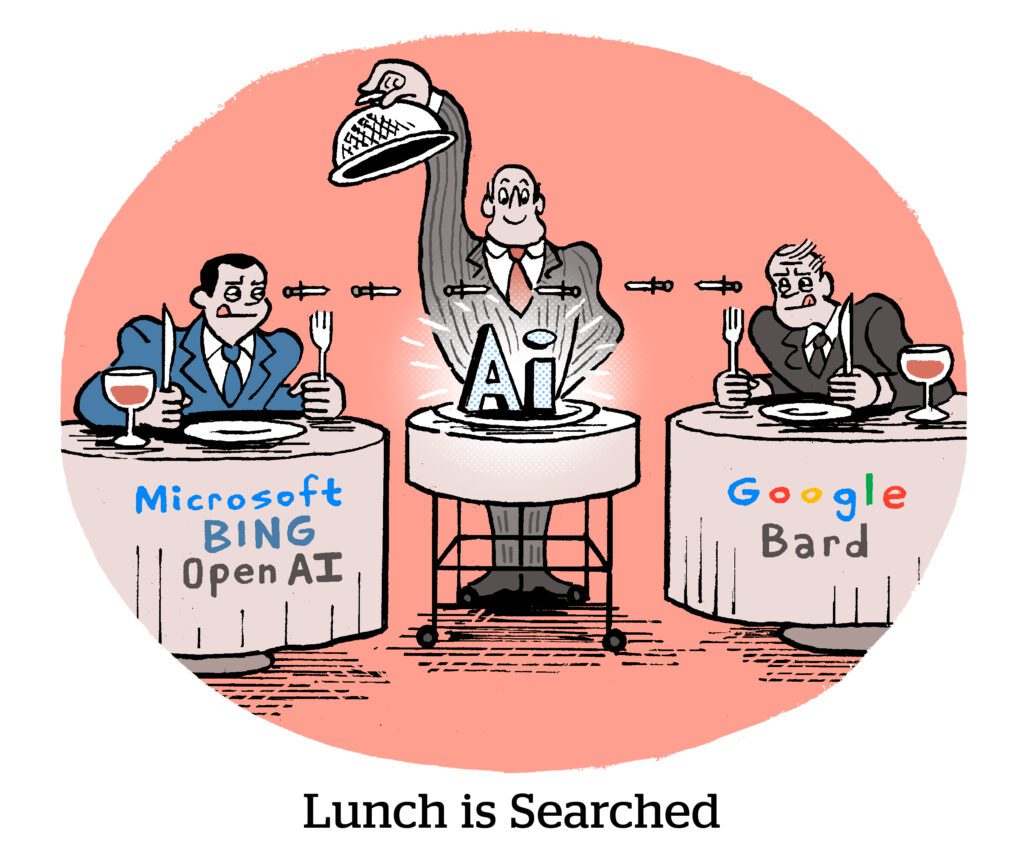
As more consumers turn to AI for conducting product research, brands need to pay attention to not just when they’re showing up in the results but how.
Sentiment and accuracy should be front of mind for marketers, said Garrett Gomez, product marketing manager at AEO company Profound.
Focusing merely on whether you show up is a very “SEO-like way of looking at things,” he said. In the context of AI search, he added, brands also need to be asking themselves, “Is what AI is saying about my products and services even accurate?”
On Tuesday, Profound launched a new tool for brands, aptly named FactCheck, which answers that question by comparing LLM outputs to a brand’s own knowledge base and flagging discrepancies.
The truth will set you free
The accuracy of AI search results plays a massive role in brand reputation.
Even if the inaccurate information comes from an LLM, the brand may be the one to take the fall. According to recent data from content management system Storyblok, 21% of consumers would blame the brand if an AI system generated incorrect information about it, even if the data didn’t come from any of the brand’s own properties.
FactCheck compares LLM outputs against a brand’s knowledge base, which is composed of sources that the brand chose to upload to Profound. Usually, it includes website content, public-facing documentation and any internal documents that contain “valuable facts that they want to make sure are properly represented by the platforms,” according to Théophile Langanay, data scientist at Profound. Profound has integrations with knowledge base tech companies that are already popular among clients, including Google Drive and Notion, to simplify the process.
The tool notes what the inaccurate claim was, like retired features or outdated prices, and then lists the “ground truth” from the knowledge base “that proves [the citation] is inaccurate,” said Gomez. The claim, the “ground truth” and the citation that influenced the claim all live in a FactCheck tab within the Profound platform, so brands can access all of the relevant information in one place.
In addition to finding inaccuracies, FactCheck goes one step further and offers guidance on how to correct them.
After adopting FactCheck, fitness wearable brand WHOOP saw that 7.9% of AI responses that cited the brand were flagged for accuracy issues. Sometimes, it was comparing new versions of other brands’ wearables to old generations of WHOOP’s products, which is “apples to oranges,” said Sophia Scaglioni Melegari, senior business analyst at WHOOP.
But WHOOP was able to course correct through the use of FactCheck, which flagged the inaccurate information to WHOOP’s team for review.
If the inaccuracy comes from the brand’s own site, said Gomez, like pulling from an outdated URL, the brand can deploy one of Profound’s agents to rewrite the content to include more recent data from the approved knowledge base.
Other times, however, the inaccuracies come from a third-party site, like a competing brand’s.
“Obviously, you can’t update [a competitor’s page] directly,” Gomez said. In that situation, Profound will release one of its internal agents specifically designed for content creation to develop new content for the brand’s website that “counteracts” the error on the competitor’s site.
Of course, that brings up a new challenge: ensuring that your brand’s content will surface instead of your competitor’s incorrect information.
Best practices
Profound can’t guarantee whose content will surface, of course, but what it can do is suggest best practices to the brand to get their content mentioned in AI search over their competitors’ – after all, that’s kind of their whole schtick. Profound’s insights tool prompts LLMs daily and tracks what types of sources show up in the responses, and recommends content strategies accordingly.
And if the new content doesn’t surface in AI queries as often as the brand hoped, hope isn’t necessarily lost. Because Profound is a measurement tool with a “closed and automated feedback loop,” said Langanay, “we have the ability to know whether it worked or not and to iterate and try again.”
But sometimes the source of a mistake is neither the brand nor its competitor, but an independent publisher, like a blog. In that case, Gomez said, an author’s name is usually associated with the content, and Profound deploys an outreach agent to draft an email to the author, asking them to make the correction.
Profound’s customers get “full autonomy” over the workflow, so the correction process can range from fully automated to requiring human input in each step. WHOOP, for instance, keeps a human touch throughout the process, but uses Profound’s agents to suggest updates and content refreshes.
“If an AI is telling someone something wrong about a WHOOP product, I can catch it, work out where it’s coming from and get a correction moving,” said Kieran Riley, the brand’s AEO product marketing specialist. “That used to be completely invisible to me.”