
The Washington Post Is Experimenting With Generative AI, But Setting Clear Boundaries
The Washington Post is experimenting with a variety of large language models–but setting boundaries and guidelines to keep them in check.

The Washington Post is experimenting with a variety of large language models–but setting boundaries and guidelines to keep them in check.

The mobile web version of Wordle now features interstitial video and display ads that will run after a user clicks “Play” and before the game loads on their screen. The move is part of a broader initiative to expand ad offerings across the company’s portfolio.

The BOMESI Collective, which includes 50 Black-owned publishers, is now integrated with Concert, Vox Media’s supply-side platform.

The new version of header bidding software makes it easier to identify specific ad transactions, gives publishers more granular control over how they express user consent to downstream partners, and enables testing of Google’s Privacy Sandbox.

To survive and stay relevant, publishers like Ziff Davis and Black Enterprise are creating commerce-related content.

Privacy Sandbox APIs will be generally available starting in July. That means publishers have roughly one year to get acclimated … and to raise any red flags to regulators.

Dotdash Meredith bet on contextual with its launch of D/Cipher, but it remains to be seen whether it can turn its revenue numbers around.

ArcSpan’s new DMP, called AMS, was specifically built to organize a publisher’s first-party data into buyable contextual audiences and also highlights which audiences are likely to drive the most revenue.

WaPo partnered with ActionIQ to overhaul how it markets to subscribers throughout the various stages of their subscription life cycle.

BuzzFeed is sticking to its conviction that journalism is old news and influencer-led video and generative AI are the future.

Ad tech companies manage billions of advertising bids across thousands of publishers in a matter of milliseconds. So, when a privacy error slips through cracks, it can metastasize into a potential GDPR concern in the blink of an eye.

Mail Metro Media partnered with Firework to integrate a new vertical video player across dmg’s sites that features interstitial ads and TikTok-esque clickable overlays.

Publishers are fed up with brand safety and verification vendors using crawlers to scrape their sites for contextual signals, then using those signals to sell contextual ad products.

Sebastian Tomich, The Athletic’s chief commercial officer and a longtime fixture in the Times’ ad tech division, believes the Times can use its blueprint for building a publishing business on The Athletic. And he’s also betting that advertising is an easier sell for sports fans than news readers.

Ad industry veteran and event stage mainstay Amanda Martin is taking on a new role as Mediavine’s SVP of partnerships and business strategy. Martin will be moving from the buy side to the sell side after a nearly eight-year stint at ad agency Goodway Group.

DanAds is in growth mode, and its US expansion is in full swing. It also has its sights set on profitability by the end of the year. But the volatile market has DanAds rethinking its IPO.

Recurrent Ventures is ramping up its focus on programmatic direct and PMPs to make up for flagging open auction revenue. Marketers now have access to Recurrent’s 28 publisher brands through Audigent’s private marketplaces.

Times are tough and tight for web publishers. But times are even tougher for small, independent newsletter writers. “These writers are out there producing interesting, niche content,” says Swapstack CEO Jacob Schonberger, “but they don’t have the time or the ability to find brands to sponsor them.”
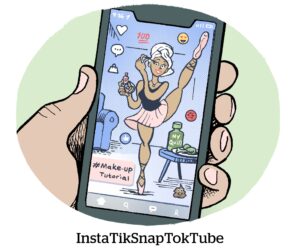
BuzzFeed hopes its investments in trendy tech like generative AI and short-form vertical video, with a bigger focus on commerce, will eventually pay dividends.

Publishers, such as The Arena Group, are now partnering directly with brand safety solution providers to lower their block rates for direct-sold inventory.

American City Business Journals earns about 90% of its revenue from direct sales. So it is looking to invest in technology that can streamline its direct business as much as possible.

While cookies are still in play, publishers are using first-party data products to draw business from advertisers eager to test cookie alternatives, even as ad spending retracts due to persistent fears of an upcoming recession. Here’s a snapshot of how Vox Media, The New York Times, The Washington Post and Trusted Media Brands evolved their first-party data strategy in 2022 and their plans for the coming year.

UK-based publisher LADbible Group is testing post-cookie alternatives and building its contextual targeting capabilities. But the social-first publisher has yet to be convinced that any of these alternatives will be a truly viable replacement for the much-maligned – and yet still widely used – third-party cookie.

The most commonly cited rationale for publisher staffing cuts has been marketers’ hesitance to spend on advertising amid persistent economic uncertainty. But publishers’ latest pivot to video and increased competition among digital channels is also likely to blame.

Thanks to signal loss, recession fears and the “ad tech tax,” publishers of all sizes are seeing their ad revenue suffer. But the problem is more pronounced among local news publishers, many of which were barely getting by before platform privacy changes roiled the digital advertising industry. The Local Media Consortium (LMC) shares how it’s helping its members mitigate these headwinds.

As BuzzFeed struggles with advertiser uncertainty and a drop in user engagement, it reported flat Q3 ad revenue. Advertising revenue was $50 million, matching last year’s Q3. Ad revenue growth decelerated compared to Q2, “driven by ongoing price compression and uncertainty around consumer demand,” said BuzzFeed CFO Felicia DellaFortuna.

Turns out 2022 was a bad year to merge two large media companies into one massive media company. Both Dotdash and Meredith experienced headwinds throughout the year. Traffic was soft compared with the rise in consumption during the pandemic, and the digital advertising market was unexpectedly weak. And next year isn’t looking rosy.

SmartNews uses the first-party data it gathers from its users to create more intelligent content recommendations and serve more relevant ads. It’s also investing in its own ad stack so it can activate its first-party data by creating contextual audience segments that it can sell programmatically on the open web and as part of its new direct sales offering.

Axios eclipsed its overall 2021 revenue as of Q3 this year thanks to its expansion of local-news-focused newsletters. It also added display banners to its onsite inventory in September and launched its Axios Pro paid subscription in February. The long-term goal is for Axios to have about 50% of its revenue come from ads and the other half from subscriptions.
The New York Times’s subscription-focused strategy seems to be paying off amid a downturn in ad revenue. The Times reported 8% YoY revenue growth for Q3 2022, “with subscription revenue growth more than making up for a slight decline in overall advertising,” said President and CEO Meredith Kopit Levien.