Anthropularity
Anthropic threw jabs at OpenAI with its Super Bowl ads; consumers guffawed.
Anthropic refused Pentagon demands over use of its tech in programming autonomous weapons or in widespread surveillance of Americans, resulting in its being declared a national “Supply Chain Risk”; Americans rushed to download Claude.
But as the dust settles, will Anthropic enjoy any lasting impact?
Early signs point to yes.
In February, record-high numbers of previous consumers actually returned to Claude, according to TechCrunch. As in, they gave it another shot.
The TechCrunch data shows increased subscriber gains, likely as a result of Anthropic’s paid and earned media, as well as new “developer and productivity tools” that function more independently.
Business Insider reports a similar story. Although Anthropic’s true viral moment has passed – at least this viral moment – the startup has still elevated itself greatly from before the Department of Defense brouhaha.
Claude wasn’t in the top 40 free apps in Apple’s App Store before the end of January. Then it jumped to No. 1 for about a week and a half. ChatGPT regained its top spot a few weeks ago, but with Claude now steadily in the rear view mirror in second place.
Sweet Nothings
Here’s a story with rare upside for terrestrial radio and static billboards.
That’s because, in the United Kingdom, this will be the first Easter under new rules forbidding ads for sugary, fatty and/or salty products on TV before 9 p.m. Online, the ads are forbidden around the clock, as The Guardian reports.
Snack brands agreed to the change in a self-regulatory way. Television advertising among affected brands halved between October 2025 and February 2026, per The Guardian. Although that’s a poor test period (Halloween vs. Valentine’s Day). CPG trends require year-over-year data.
Brands also committed to the new rules knowing media spend would reduce anyways.
Health advocates aren’t satisfied, though, and more comprehensive standards are expected next year that ban even 100% fruit juices and most cereals and chips. (Reformulated Doritos slide by on the current metric, apparently.)
A spokesperson for the British marketer trade org ISBA suggests that, instead of banning ads, the government “think about how we incentivise healthier eating and buying by consumers, promoting food education, and creating a more active population.”
Which is to say, why not try your own ad campaigns?
“They are the things that will really move the dial,” the spokesperson says, “rather than always taking the easy path of yet more restrictions on advertisers.”
Hail the Creator(s)
Video didn’t just kill the radio star; it’s kicking journalists while they’re down.
Shortly after its recent mass layoffs and reorgs, The Washington Post is debuting the first of several videos from a creator-led content vertical.
As WP Creator President Sara Kehaulani Goo tells Digiday, the initiative was announced last August and technically has “nothing to do” with those cuts.
Rather, the publication treats the creator program like a new product, with brand sponsorship revenue that will hopefully support the noticeably smaller newsroom.
WaPo also plans for creators like “The Frugal Rich” host JC Rodriguez to self-produce their videos, saving The Post a lot of money in upfront costs.
That the Post would choose to outsource its video work makes a grim sort of sense. As former Senior Video Producer Dave Jorgenson told The Press Gazette recently, he left The Post’s TikTok channel to strike out on his own last July because he felt video “was not getting the support” it needed there.
Speaking of, The Post is not the only legacy news outlet riding the coattails of the creator economy. CNN and The New York Times are doing it, too, according to Status, albeit with mixed results.
But Wait! There’s More!
Thanks to its ads business, OpenAI has surpassed $100 million in annualized revenue – and ads have rolled out barely a fifth of eligible US users so far. [The Information]
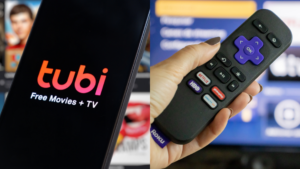
Tubi’s growth plan? Work with more online creators. [CFX]
A federal judge paused Nexstar’s $6.2 billion acquisition of TEGNA for 14 days following a legal challenge from DirecTV. [Politico]
At CPAC, FCC head Brendan Carr touts Trump administration wins, including defunding PBS and NPR, new conservative ownership at CBS and CNN and Trump-critical media figures losing their jobs. [Forbes]
Inside the scourge of “CEO said a thing!” journalism. [The Fine Print]
Former news union leader Matt Pearce: The incentives to produce high-quality information for public consumption are awful, and they’re getting worse with the explosion of AI. [Substack]