
Stick A Pin In it; When Reddit’s Data Is Google Data, Too
Pinterest is picking up supporters on Wall Street. Plus, what’s the deal with the search advertising, AI and data licensing deal between Google and Reddit?
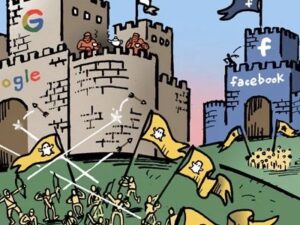
Pinterest is picking up supporters on Wall Street. Plus, what’s the deal with the search advertising, AI and data licensing deal between Google and Reddit?

Chalice integrated with Index Exchange, and it’s not a typical partnership. Plus, Microsoft will be moving on from its retail media platform Promote IQ.
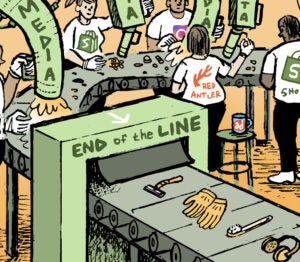
As Nike’s new CEO prepares to take over, the shoe brand is walking back on some of its direct-to-consumer plans. Plus: YouTube Shorts ups maximum video length to three minutes.
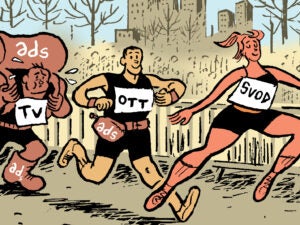
TikTok announced this week that it would allow search advertising to be targeted by keyword. Plus, streaming ad supply now outpaces demand.

The US v. Google antitrust trial is over, but nobody’s done with the drama. Plus, Charter just struck a deal with NBCUniversal.

A web crime ring that sold Facebook account service tickets collapses in dramatic fashion; how US antitrust precedent could inform the DOJ/Google ad tech trial; and more publishers turn to paywalls as the open web shuts its gates.
Paramount is the latest entertainment studio headed for a showdown with Nielsen. Plus, Forbes seems to have been rebuked by Google Search.

Oracle’s advertising and third-party data businesses are officially kaput; political pollsters are abandoning misleading online data; and AI-generated slop is already overtaking the internet.
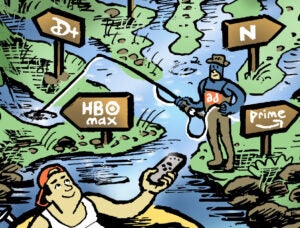
Winners and losers are emerging from the streaming melee. (Or at least the winenrs are.) Plus, CNN will begin testing metered content.

Curation is the new hot topic, but it’s just another incarnation of bundling. Plus, Google is playing the long game with its US-based antitrust trials.

Welcome to Week Three of the US vs. Google ad tech antitrust trial. Plus, ews publishers are turning to WhatsApp for traffic.
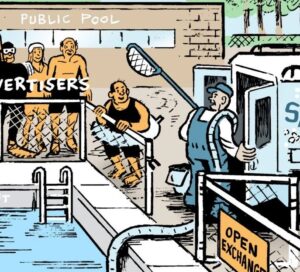
Here’s today’s AdExchanger.com news round-up… Want it by email? Sign up here. The Crusts Are Off The growth of online groceries and retail media puts new pressure on false advertising. It is not a coincidence that false advertising lawsuits have risen sharply. For one thing, claims made on packages on a store shelf or in a […]

The EU is preparing charges against Alphabet for breaching the Digital Markets Act. Plus: Meta’s ad platform has been quite buggy lately.

The FTC’s got a new report on the data collection practices of large social media and video platforms. Plus, Amazon has its own “Shark Tank.”

Chrome Privacy Sandbox adds support for deal IDs and extends Protected Audiences’ lifespan to 90 days; Google’s ad tech antitrust trial could open YouTube to DSPs other than DV360; and former Kubient CEO charged in accounting fraud scheme.

Two of the EU’s biggest Big Tech antagonists are set to resign; a GAM breakup could usher in post-ad-server programmatic; and how Google kept Prebid separate from the IAB Tech Lab.

Why streaming TV might adopt the cloud-usage model for content; MAGNA projects strongest ad market in two decades; and “go woke, go broke” gets proven wrong, again.

The TV newsletter Lowpass is back with another barn burner. Plus, some more proof that social media can impact your health.
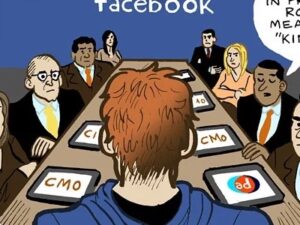
Is advertising to kids on social media as bad as advertising cigarettes to kids? Plus, DuckDuckGo doesn’t want Google’s scale to go away.

Is there a secret society of socialists within programmatic? Probably not. Plus, rumor has it that The Trade Desk is building its own smart TV OS.

Google and the DOJ are currently questioning witnesses regarding how particular ad channels are established as defined markets. Plus, a wave of freelance advertising consultants has arrived.
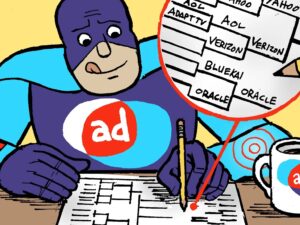
Oracle’s growth rate will increase without its declining ad business. Plus, Ad-supported news no longer brings home the bacon.

In today’s newsletter: How loosened ad restrictions helped snacks take over America; Brazil’s X ban dings stan culture; and Roblox partners with Shopify as it expands real-world ecommerce to all creators.

The IAB’s annual advertising outlook has mostly rosy news. Plus, can sludge videos be wielded for good – or, at least, for effective political organizing?

The bottom is falling out of the mass multichannel TV bundle. Plus, Amazon crushed its first-ever upfront this year.

In today’s newsletter: Google Demand Gen is the industry’s latest over-attribution controversy; data from third-party brokers might not be worth it; and The Trade Desk launches a CTV operating system.

In today’s newsletter: Amazon stands out among Upfronts CTV rookies; Google reveals how much revenue its ad tech divisions make; and women hold more marketing leadership positions than men, but churn is worse for women.

Roku could start running ads every time you pause a blu-ray. Plus, the kickbacks required to play in the retail media market might eventually shut out all but the biggest brands.
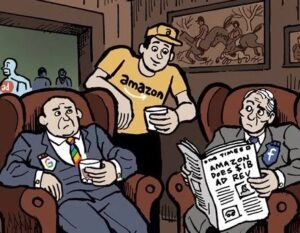
Is it time to retire references to the advertising “duopoly?” Plus, Omnicom wants to bring its major agency brands under unified leadership.
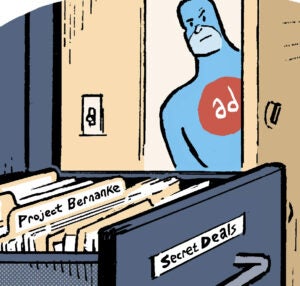
In today’s newsletter: Google paid $445 million in rebates in 2018; publishers across the ideological spectrum blame brand safety for hurting the media biz; and Mark Zuckerberg apologizes to Congressional Republicans for Meta’s content moderation.

PubMatic says adoption of its AgenticOS, combined with strong CTV and mobile demand, set the stage for double digit growth in the second half of this year.

The Trade Desk, once a Wall Street darling, now faces the challenge of rebuilding goodwill across the investor community and the ad tech industry.

While the outcome of Paramount Skydance’s bid for Warner Bros. Discovery hangs in the balance, Paramount is laser-focused on driving streaming growth.


On Wednesday, and in time for the upfronts, Nielsen added more than 200 advanced audience segments in Nielsen ONE, its cross-platform analytics dashboard.

In pursuit of ad revenue, Dow Jones is betting on a tried-and-true strategy: direct relationships, first‑party audiences and a disciplined approach to using data to enrich ad campaigns.
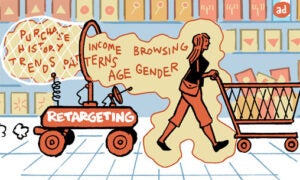
Infillion, an ad tech business built on M&A, is back with another acquisition. This time it’s Catalina, a century-old market research and shopper marketing company with roots in physical cash register machines.