
 “Data-Driven Thinking” is written by members of the media community and contains fresh ideas on the digital revolution in media.
Today’s column is written by Kim Harris Busdieker, director of customer communications at 84.51°.
We live in a world of handmade this and small-batch that. Organic, grass-fed, cage-free candy bars, anyone?
It is pretty clear that these kinds of claims are thrown around ubiquitously. Brands that slap a label on a product that is vague or entirely out of context are using a marketing gimmick – what is so natural about fruit snacks being made with artificial flavors?
These offenders are also not clearly defining the connection back to their brand or why consumers should care. In response, consumers simply become numb and invest their time with the brands that build their trust.
But brands and retailers should care about how customers characterize them because it can impact their bottom lines. A 2014 Cohn & Wolfe study found that 63% of consumers would choose a company they believe to be authentic over its competitors. If the reward of authenticity is brand preference, then the risk of inauthenticity is brand irrelevance and lost customers.
If brand authenticity is easy to recognize, but hard to manufacture, where do brands start? The answer lies with customers, one of the richest sources of data available to understand how to cultivate an authentic brand voice. Many sources are available quickly and easily, and others are worthwhile to cultivate over time as companies develop a deeper strategy around shaping their authentic brand voice.

Brands need to listen to how customers talk about them, give customers more ways to talk about and interact with them and use that information to directly cultivate their brand in a compelling and authentic one-to-one voice.
Listen To What Your Customers Tell You
If all of this authentic branding were easy, brands could just buy a newspaper ad or issue a press release and call it a day. But it’s not, so brands should not pretend their Snapchat accounts should provide the same communication as their Instagram accounts. If a brand has earned its customers’ interest enough to be followed, they need to make it worth it.
Even if they don’t cultivate ways for their customers to talk about the brand, customers will do it regardless and can create a direct data source for the brand. By making a choice to buy a brand, experiencing it and then talking about it, customers cognitively associate the brand with a set of characteristics that offer clues to building brand authenticity. Qualitative data sources like customer comments about a brand should be collected and synthesized with the same voracity that point-of-sale data would be ingested and turned into strategy and brand voice.
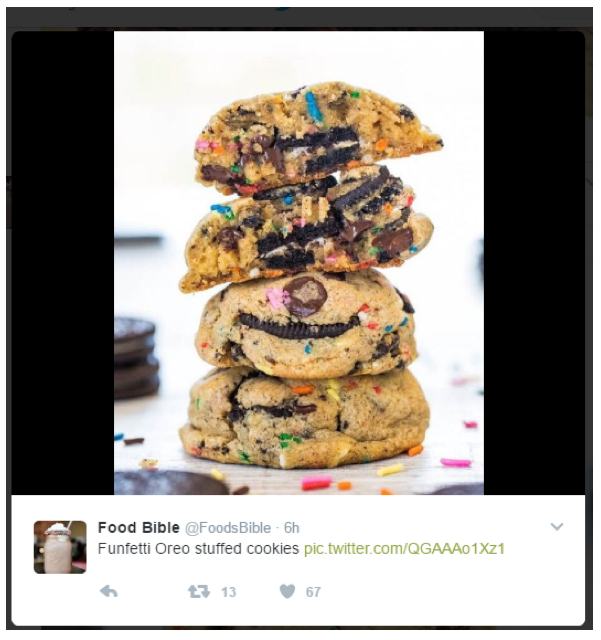
A quick search of Twitter for the Oreo brand reveals several interesting ways customers talk about Oreo. One of the most frequent themes is for Oreo to be the main ingredient for many other treats, such as drinks or cookies, This creates a legitimate and natural approach for Oreo to cultivate communications with customers about how they use Oreos in other recipes. Conversely, Oreo would sound very inauthentic if it approached a conversation with customers about healthy eating because no one is setting Twitter on fire with chatter about the next healthy Oreo diet.
Give Customers More Ways To Give Feedback
Customers are more than happy to provide feedback proactively – those are some of the best love notes – and some even passively. Great marketers constantly listen and improve versus sending out annual surveys.
Creating dynamic connections with customers provides brands with a rich set of feedback and gives customers another way to experience and talk about the brand. Without it, brands leave valuable data untapped and let others drive the dialogue.
This can range from an integrated, two-way communication through a brand’s Facebook page to providing a dedicated online portal for “communities of interest” where customers can share brand-related information. One of the most important features of this type of brand cultivation is to mine and segment the data for key information about a brand’s perception and opportunities, and to track the opinions and needs of customers as they share and engage, in order to understand how they talk about the brand.
Facebook and other social platforms provide a space for customers to connect with each other and a brand while sharing feedback. Toms, the “one for one” shoe company that donates a pair of shoes with every purchase, posts images submitted by customers on Facebook featuring short and interesting background stories. Its brand voice is consistent, and through customer stories and pictures, it can learn how its customers experience the brand. This type of data can help with brand positioning and serve as a data checkpoint for brand perceptions.
Use What Customers Say To Develop An Authentic One-To-One Voice
There isn’t a day that goes by lately without a news article about Siri, Alexa or Google Home. At what point will the electronic response go from novel to not good enough? If I am getting French cooking advice, wouldn’t it be better to hear the instructions from someone with actual French experience versus Siri, which butchers (pun intended) the pronunciation of foie gras?
Where possible, brands should integrate information they “hear” from their customers into their one-to-one approach beyond social sharing. Information from these communication sources can reveal many data points helpful to craft relevant one-to-one communications, such as how customers live, who they choose to associate with, what they like, how they talk and what motivates them. This information is all potentially usable to improve direct communication and provide customers with an amazing experience grounded in the brand’s authentic customer voice.
While authenticity can’t be faked, it can be learned if brands listen to the customer through the data they give them. Brands shouldn’t let that opportunity to find their authentic voice get away.
Follow 84.51° (@8451group) and AdExchanger (@adexchanger) on Twitter.







