“Data-Driven Thinking” is written by members of the media community and contains fresh ideas on the digital revolution in media.
Today’s column is written by Ian Campbell, CEO at Nucleus Research.
We’re surrounded by signage but we rarely think about it. From roadways to retail stores, signs are everywhere, yet we tend to notice them only when they are particularly appealing, unappealing or, worse, contradictory.
What started on cave walls has evolved into multimedia displays designed to attract and entice. Although technology has driven innovation in signage, is there really an ROI from electronic displays and digital price tags, or is the real value in managing the consistency of the message?
Electronic vs. static
There are two basic types of signage, static and electronic, with three categories of use: entice, educate and inform. Paper-based signage is the least expensive medium, while electronic is the most expensive. We could deploy all electronic but with the higher cost per sign, that’s unlikely to maximize ROI. The answer is a blend of static and electronic signage based on the type of communication.

Electronic signage seems to have gone from shouting to personalization. Flat displays, showing everything from menu items to short videos, have been upping their attention-grabbing game with brighter colors, better production quality and quicker video edits.
Next: the promise of facial recognition to driving personalization in the images to increase the chance that you will “look here” for a fleeting moment. Fortunately, savvy retailers know there’s a fine line between grabbing attention and visual assault. Take a quick walk through any high-end retailer and you’ll see the in-store shopping experience includes tempering the desire for the attention-grabbing electronic escalation.
Electronic signage becomes an obvious choice over static when there are frequent changes to the information, when updating the sign is difficult or somewhat inaccessible, or when there are regulatory requirements that may result in fines if the signage is not accurate. Barring those drivers, the usage helps us understand how to maximize ROI.
Signage meant to entice a consumer is there to draw attention. Years ago, a large sign with the word “Sale!” on it was enough, but today, electronic displays can be used to both draw a customer in and set a mood. Think of the perfume section in any store. This signage draws attention by being dynamic and colorful, and it lends itself well to an electronic solution, even given the higher display cost.
In that same store, the signage to educate is more muted and may be used to indicate the location of men’s vs. women’s fragrances or different product brands. These are simple signs, often near the merchandise, and they may include prominently displayed offers. Signs like these are medium- to long-term and better suited to less costly paper or other static mediums.
Signs to inform tell the price and information about the product. Could they be electronic? Yes, but in most cases there’s no need. These signs are mostly static both in location and content and are best printed on site and updated as needed. Managing the cost of static signage requires applying a common theme that matches company branding, so that signs need to be updated only when crucial information has changed.
Where the technology comes in
There may be different types of signs, but the branding needs to be consistent across all stores and mediums. This is omnichannel marketing, but knowing what it is and implementing it are two different things.
An electronic display promoting one perfume is a poor mismatch if another perfume is on sale that day. If a website is promoting products to support a charitable cause, the in-store static signs should also support that cause. The signage may have broad reach, but the message needs to be focused and correct or the inconsistencies create confusion.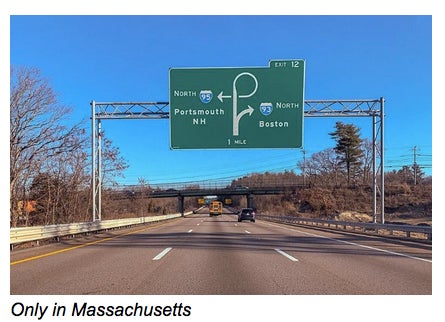
Maximizing the ROI from signage efforts is really about managing different mediums and ensuring consistency across electronic and static. Management tools, such as ECS Global or Enplug, provide that capability, allowing marketers to manage signage types and control their updates and distribution. The flexibility of these management tools also opens new opportunities, such as quickly reacting to current events with targeted specials, for instance a local football team’s win, or performing A/B testing of signage between locations to evaluate the effectiveness of new graphics.
Signage in all of its forms will be here for a long time. What’s changed are the capabilities of the management tools that ensure the right sign is in the right place saying the right thing.
Follow Nucleus Research (@NucleusResearch) and AdExchanger (@adexchanger) on Twitter.