

Updated with comments from Brett Wilson, TubeMogul’s CEO
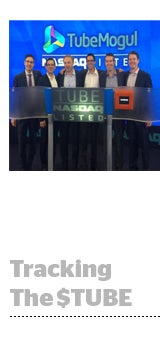
Video demand-side platform (DSP) TubeMogul ($TUBE) made its NASDAQ debut Friday. While its share price was projected at only the $7 to $8 range – below previous predictions of $10 to $11 – within only an hour of trading, TubeMogul’s share price increased to $9.84.
At the top of the hour, the company broke the $10 mark, with price per share climbing as high as $10.78, a 30% increase from early projections.
It remains to be seen how TubeMogul will perform compared to previous video ad platform IPOs. Initially, it seemed like TubeMogul, aspiring to raise $93 million by selling some 7.2 million shares, would barely break the $50 million mark as a result of its lesser share price.
According to one investment source, “major Internet media companies owning ‘ad tech stacks’ (including supply-side platforms like what Facebook bought with LiveRail and exchanges), at a minimum ties up large chunks of inventory from the top five (AOL, Yahoo, Facebook, MSN, YouTube), making it more difficult for the independent players.”
The source described a “rush for exits by VCs.” Although ad-tech valuations remain rich and appetite by investors and buyers is still high, “that can change so quickly and VCs aren’t taking chances.”
“TubeMogul is rather differentiated in the market, I’d say, with the fast growth of … a self-serve platform revenue model,” commented Sorosh Tavakoli, founder and CEO of sell-side video ads platform Videoplaza. “This business is highly scalable and very much in line with where the market is going.”

By way of comparison, TubeMogul is valued at $250 million. YuMe and Tremor’s market valuations are $192 million and $185 million, respectively. TubeMogul, which has tried to distance itself from being characterized as an ad network, is at the time of writing inches ahead in its valuation.
Brett Wilson, TubeMogul’s CEO, spoke with AdExchanger about the stock listing following the opening bell. Late in the day Friday, TubeMogul was listing at $11.50 a share.
AdExchanger: Immediate reactions?
BRETT WILSON: It’s great to have a day one pop, but we’re really focused on the future of the company. The insiders were all buying into this offering. Our two largest shareholders, including myself, bought in at the IPO price, so we’re confident in the potential of the company and the team.
What surprised you the most about the deal process?
I was surprised how much investor confusion there is around the ad tech sector and how much some investors dislike the sector altogether based on some of the first companies that went out. And that was definitely a hurdle we faced on the road for the last two weeks.
Do you feel like TubeMogul felt pressure to go public earlier than you wanted to? What difference doth a year make?
We went public because we wanted to go public. In the market, we’re doing quite well. Just a few weeks ago, we closed a partnership with Mondelez and our Q1 revenues were up 130% so we felt like it was the right time for us and we think it signifies to our clients, too, that this will be an independent and healthy company.
Is Mondelez a sign of sell-in to come? Do you plan to increase direct-to-advertiser business?
Our largest clients are agencies and while we do sell in to brands direct, we work with them however they want to work with us and most brands want to have a service layer on top of our software.
What portion of the business is self-serve vs. managed service?
In Q1, 73% of the total spend through our software was from self-serve clients. Both of our businesses are growing fast. The managed service portion of our business grew 75% in Q1, so even that part of the business is growing at double the rate of the market.
Any advice for an ad tech company considering public life?
Entrepreneurs really need to be confident in their business models and how they get to profitability. We were able to show that because of our software-based model, we sell in our software once and we don’t have follow on sales comp while clients keep spending. A good chunk of our revenue is coming from clients we signed in 2011 and 2012, whereas other companies in the space have to go win business a campaign at a time and I think investors worry those companies will never get profitable and they’ll have to grow their sales count in a linear fashion with revenue.
Why was there an adjustment on original list price?
At the time, that was based on market demand. We’re glad it’s gone up since then. It’s hard to second guess those calls on $1 per share here or there. You do your best and represent your company well and the market is where it is at the end of the day. The fact that we’ve gotten this done in a challenging market speaks to the differentiation of the company in a noisy market.
Who is TubeMogul’s biggest competitor? Do you foresee serving the sell side?
We’re 100% advertiser-focused. It’s part of why we went public because we feel companies that make money on both sides are very conflicted. You don’t know if money is being spent where it’s best for you or best for the company that you’re buying from. It’s like us using an auditor that has stock in a company.
What’s next?
I think there’s going to be a lot of winners in the space. We’re proud to be part of an emerging industry that’s significant and that’s just beginning to make its mark.








