
How Agentic Advertising Platform Aimy Uses Comcast’s Universal Ads API
On Monday, Brand Networks announced that Universal Ads would now be buyable through the company’s agentic ad buying platform, Aimy Ads.

On Monday, Brand Networks announced that Universal Ads would now be buyable through the company’s agentic ad buying platform, Aimy Ads.
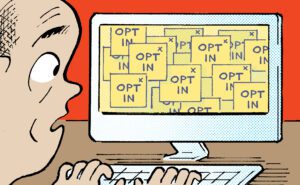
It’s not that people don’t care about their privacy – they do. The problem is that protecting it is often difficult, inconvenient and confusing.

It won’t fail because the protocol is bad; it will fail because you’ve been sold a simplistic dream – a “universal API” for ad tech – and that’s what you’re budgeting for.

The Trade Desk is going after Amazon; Facebook creators are going after Meta; and everybody’s going after Warner Bros. Discovery.

With its wide adoption and independent membership, Prebid is powerful. We discuss Transaction IDs and the remedies phase of the antitrust trial with those inside and outside the org to better understand this open-source project.

Uber Advertising, in partnership with Adelaide and Kantar, launched a first-of-its-type custom attention metric score for its platform advertisers.

Ignoring the fact that early pioneers in the space didn’t plan to have ads in the first place (looking at you, Netflix!), even with targeting and personalization, most major players are still thinking of national reach – not local reach – as their default.
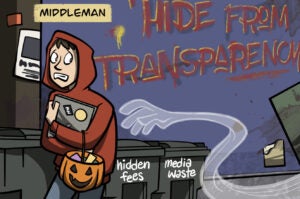
Enjoy this weekly comic from AdExchanger.com that highlights the digital advertising ecosystem …

WPP aims to turn around faster; YouTube TV tips the carriage deal market; and Roblox takes its time on video ads.

While Reddit had plenty to crow about on the advertising front, it was less sanguine about the rise of generative AI search, which CEO Steve Huffman said is “not a traffic driver today.”

If Roku’s third quarter earnings call could be distilled into a single phrase, it would be “early days.” (With “bullish” as a runner-up, perhaps.)
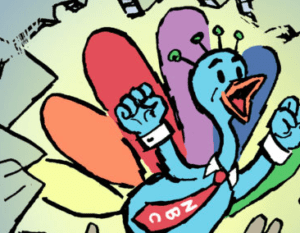
Comcast has had a pretty rough go of it lately – but there’s still plenty of room for a turnaround.
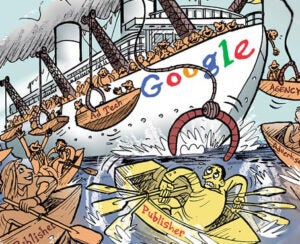
Alphabet reported on Wednesday that its total Q3 revenue was $102.3 billion, up 16% year over year, while net profit increased by a third to $35 billion.

Artificial intelligence has become marketing’s favorite headline. Every platform, publisher and technology partner now promises “AI-powered” solutions that will make campaigns smarter, faster and cheaper.

AI agents have infiltrated retail media. At least, that’s how it felt to big Wall Street advertising and tech investors, who brought a sense of existential dread to Criteo’s quarterly earnings call on Wednesday.

Tylenol maker Kenvue navigates pushing back against the Trump administration’s claims; viewers of Nobody Wants This are tired of product placement; and US Census data might become less privacy-safe.

Meta’s Q3 earnings saw increased growth in its ad business and continued the conversation on superintelligence.
Meta says “trust the machine” – but marketers are finding out that automated ad platforms, including Advantage+, don’t always know best.

Our industry has done a terrible job rewarding publishers for monetization choices that align their supply to quality and outcomes vs. short-term yield bumps. But is it overly optimistic to think The Trade Desk’s recent moves prove that’s changing?

Prebid changes its mind on universal TIDs; streaming media takes advantage of live events; and short-form video clips are (still) all the rage.

Greg Glenday weighs in on why Acast is resisting the allure of video, the trade-offs of accepting political ad bucks and positioning influencer marketing as audio’s entry point into the omnichannel mix.

Tony Stubblebine became CEO of Medium in 2022 and turned the struggling, loss-making platform profitable by cutting costs, improving content quality and refusing to rely on advertising.
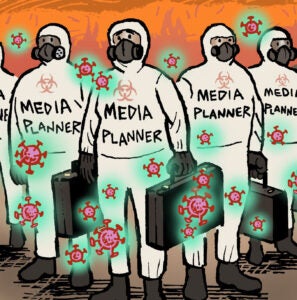
My Marketing Pro has set out to automate the entire marketing process, from brainstorm to launch, via conversations with an agent.
Condé Nast doesn’t think advertising will save it; AWS strikes a blow against Google’s cloud service; and Paramount+ is going to have to pivot.

A DSP, an SSP, an agency and a publisher walk into a room. Believe it or not, that isn’t the lead-in to a bad joke. It’s the model used by Medialive, a new AI startup that brings media buyers, sellers and vendors together to collaborate directly in a shared (digital) space. Joe Prusz, former CRO […]

Prebid’s future is up for grabs as the open-source project grows apart from the IAB Tech Lab, the industry’s self-appointed standards authority.

Understanding where AI agents make financial sense today is the difference between building a sustainable competitive advantage and burning through your margins in pursuit of buzzwords.

Procter & Gamble is spending less on ads; OpenAI is spending more on ads; and guess which side of the scale Mondelez is falling on?

High school sports are very different now than when I was a teenager. As is the case with basically all forms of modern entertainment, they’ve faced some disruption by the rise of streaming video – as well as the ads that often follow.
Last week, after nearly six years of development and delays, Google officially retired its Privacy Sandbox.
Which means it’s time for a memorial service.