


Facebook is on a slow and steady quest to make Messenger as sticky as possible on the road to achieving its mission of becoming the WeChat of the West.
“We see Messenger as an app to help people run their lives,” said Kemal El Moujahid, lead product manager for Messenger and M, Facebook’s virtual assistant.
On Thursday, Facebook released a series of new features to support the next iteration of the Messenger platform, Messenger 2.1, including out-of-the-box natural language processing (NLP) functionality for automated conversations with bots and call-to-action buttons tied to specific outcomes.
The rollout comes a little more than two weeks after paid ads were introduced generally into the Messenger news feed following a limited beta test across Thailand and Australia.
But paid placements aren’t the only way to drive discovery, said El Moujahid, pointing to organic mechanisms, such as cross-promotion via Facebook Business Pages and Facebook’s recently released Discover tab, which functions almost like an app store for bots within Messenger.
“We view paid discovery as just another way for users to be exposed to new services built on top of Messenger,” he said.
Advertisers can target people with ads on Messenger using the same parameters available to on other Facebook properties, including core Facebook and Instagram, but the content of messages is not being plumbed to inform ad targeting – yet.

Facebook has, however, found a more subtle way to insinuate itself into conversations within Messenger, and that’s through M, its AI assistant, which pops up with suggestions about relevant actions to take based on what a person is chatting about.
After M detects intent within a conversation, such as “How much do I owe for dinner last night?” or “Where are you?”, the AI can surface Messenger’s internal payment feature or allow users to share their current location within the thread.
Facebook is also slowly rolling out third-party app integrations into M with a small group of partners, including Delivery.com and Food Network.
A conversation revolving around which Thai restaurant to order from, for example, would trigger M to materialize within the flow of a chat with suggestions from Delivery.com and the option for each user to add items to the cart. A chat about what to cook for dinner would bubble up a little “Find Recipes” button that users could tap to explore Food Network’s library of 60,000 recipes.
“Delivery.com is building an experience in Messenger they wouldn’t be able to provide to users other than in Messenger as a way to drive outcomes,” El Moujahid said. “It’s a sale.”
Brands can also insert themselves into Messenger conversations through a chat extension feature that allows apps to layer some of their functionality directly into a chat.
If users want to share a song or an album with a friend, for example, they can fire up the Spotify extension rather than toggling between apps or hunting down links. The Giphy chat extension allows users to create customized GIFs. The OpenTable extension lets a group of people plan and book restaurant reservations without leaving Messenger.
Brands have a reason to jump on board the Messenger train – namely, the app’s 1.2 billion monthly active users – but what happens to the rest of the app economy if more and more services are sucked into a central hub?
 El Moujahid shrugged off the concern.
“Messenger augments their business,” he said. “They’re able to do things in Messenger – create social experiences – that are not possible in their standalone app, and nothing prevents them from redirecting to their own app from Messenger to get deeper functionality.”
But the additions to Messenger 2.1 are all geared toward directing users to Messenger and keeping them cozily ensconced within the chat experience.
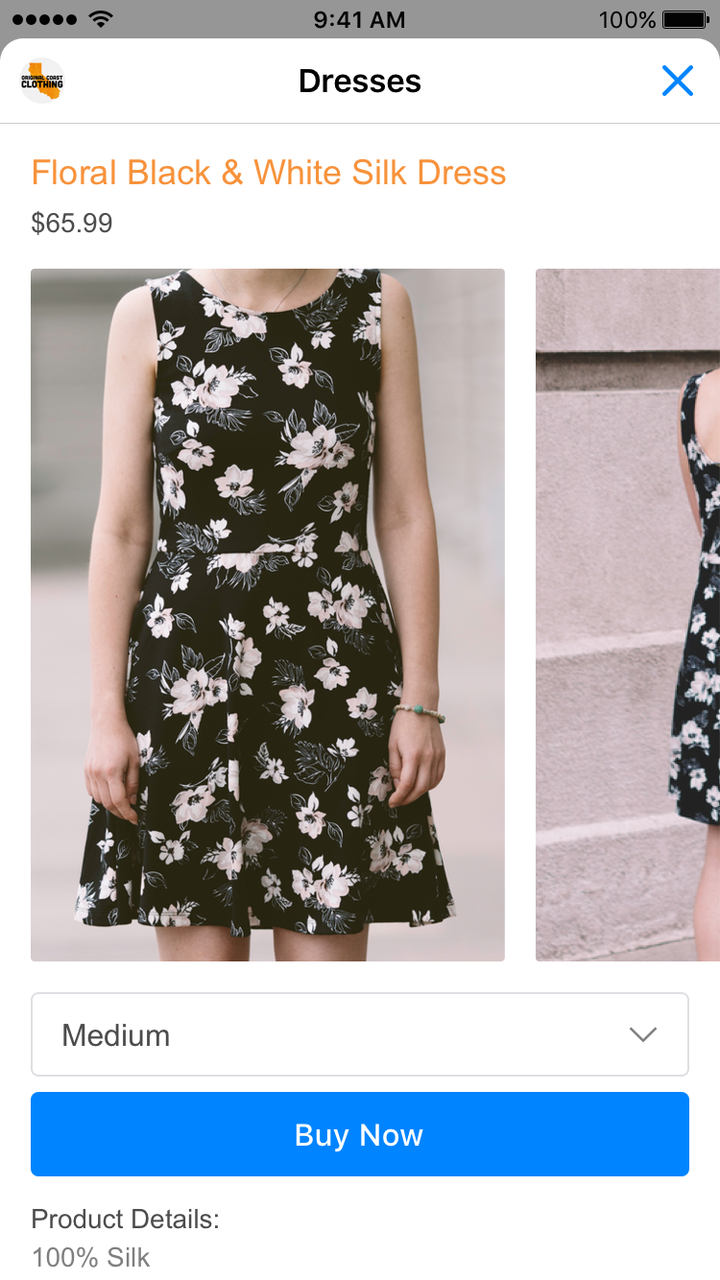
Call-to-action buttons like “Shop Now” or “Play Now,” for example, funnel users from Facebook Business pages right into Messenger, while built-in NLP functionality enables bots to automatically detect the meaning behind certain key phrases and instances, including hello, bye, thanks, date and time, location, amounts of money, phone number and email address.
That makes it easier to automate certain conversation flows and use AI to handle customer service issues within Messenger, which, in theory, will make users more comfortable conversing with brands in a messaging context. More than 63% of people say that they chat with businesses more now than they did two years ago, according to data from Nielsen commissioned by Facebook.
Although investors are salivating for details about Facebook’s messaging monetization efforts – the company’s Q2 earnings call on Wednesday was overrun with questions on the topic – Facebook is taking it slow, according to CEO Mark Zuckerberg.
“The biggest strategic thing that we really need to do in messaging right now is make it so that people organically interact with the businesses and that it’s a good interaction both for the people and for the businesses,” he said.
Paid placements on Messenger are still nascent, and they’ll remain so for quite some time, said COO Sheryl Sandberg.
Facebook’s willing to play the long game, she told investors, noting that it’s too early to understand the effect of Messenger ads on consumers.
“We’re going to be slow and deliberate,” Sandberg said. “It’s still early days, and it’s going to continue to be early days for a while.”








