

 Facebook’s scale – 1.45 billion daily active users at last count – has been its armor through a no-good, very bad year of repeated privacy failures, questions of Russian election interference and other controversies.
But scale needs to be maintained. Although only a handful of advertisers pulled spend in the aftermath of Cambridge Analytica, that wouldn’t have been the case if the anemic #deletefacebook movement had actually picked up steam.
Although Facebook tweaked its algorithm last year to favor content from friends and family, a move Facebook executives warned would reduce time spent, Facebook is still jonesing for user engagement.
Facebook’s full-court press apology tour is evidence of that, with the company trying to assure the world that it’s still a fun place for users to hang out and for advertisers to advertise.
Here are three ways Facebook is trying to re-romance its users, push people back to the platform and conciliate its critics with debatable degrees of success.

We’re super sorry
In late April, a little over a month after the Cambridge Analytica scandal hit, Facebook launched its biggest national ad campaign to date, featuring TV spots, billboards, out-of-home, print ads, online ads and ads that ran in movie theaters before the main feature.
The primary message of the campaign, which will run through the summer, is that Facebook started as an innocent playground for friends and loved ones to connect, then “something happened” (spam, clickbait, fake news, data misuse) and the platform lost its way. Facebook is sorry about that and it’s going to change.
It’s debatable, though, whether corporate apology ads even work because they often come off as insincere.
Overheard in a movie theater recently as the Facebook ad played: “Oh man, this must mean Facebook’s in trouble.”
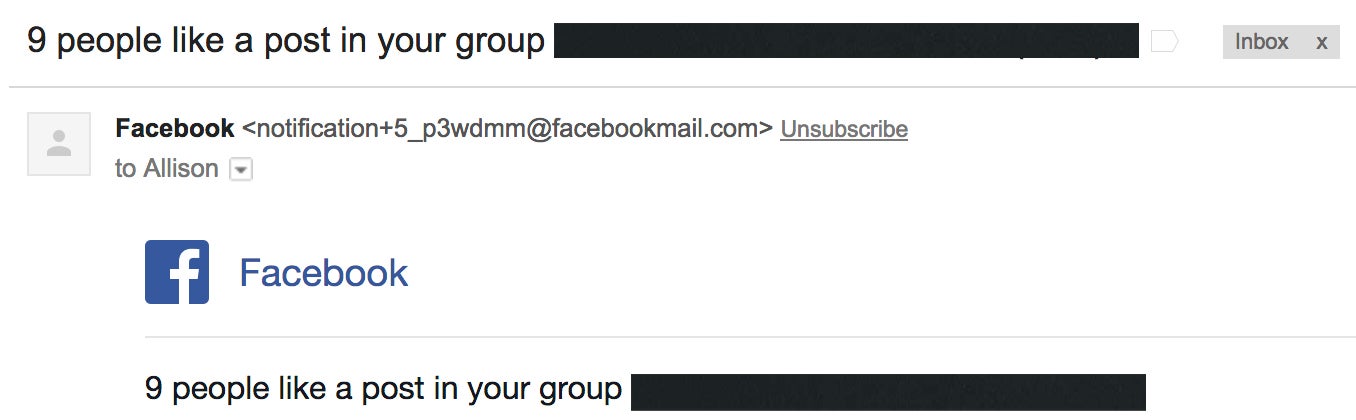 Texts and notifications and emails and …
Users who don’t regularly log in to Facebook are receiving texts from Facebook – daily and sometimes more than once a day – reminding them of everything they’re missing out on by staying away.
Numerous users noticed that they started receiving prompts to log back in after forking over their phone number for two-factor authentication.
What carrots does Facebook dangle to encourage engagement? Someone you haven’t spoken with or liked a photo of in a while has updated his/her status, or that nine people like a post in a group.
 Banners
There are lots of interesting and creative ad units on Facebook itself: full-screen Canvas ads, Collections to help retailers showcase their products and well-targeted in-feed video ads.
But spotted recently in the wild: a tiny banner ad with the words “Facebook Official Site” jammed at the bottom of a story on politico.com.
The average banner click-through rate is around .16%, which makes one wonder what sort of engagement Facebook could possibly be drumming up here.
Reality check
Facebook isn’t alone in sending re-engagement messaging or in advertising its services, but Facebook is alone in the intensity of the spotlight that’s been trained on its activities in recent months.
The platform recently got its first taste of what it feels like not to grow when it reported a quarter-over-quarter decline in North America DAUs at the end of 2017. The dip was slight (just 700,000), and by the first quarter of 2018 daily active user growth was back on track, both year over year and quarter on quarter, but some investors were briefly spooked.
Young people are also starting to move away from the big blue app. Usage among teens and millennials was down 15% from 2017 to 2018, according to a report from Edison Research and Triton Digital.
But Facebook is far more than big blue. Instagram hit 1 billion monthly active users in June while DAUs for Instagram stories reached 400 million – twice as many users as Snap. WhatsApp has 1.5 billion MAUs. And the stock is up.
What will be interesting to see is how Facebook performed during the second quarter of 2018 – the first full quarter following Cambridge Analytica and a slew of privacy and data-related revelations.
Facebook reports its next quarter earnings July 25.







