OpenAI’s Big Ambitions; Tricks Of The Trade
ChatGPT’s ads manager leaves something to be desired; beware booking vacations via search ad; and YouTube is jacking up its premium prices again.

ChatGPT’s ads manager leaves something to be desired; beware booking vacations via search ad; and YouTube is jacking up its premium prices again.

Can a good sales presentation offset the impact of a very bad news week? That’s a question for Meta, which collected two guilty verdicts in court this week for failing to protect children and creating additive products.
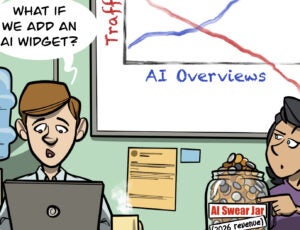
Yahoo is not like other companies promoting AI buzz; Elite “clippers” turn longform content into short, shareable clips; The Army prepares to reset ad business.
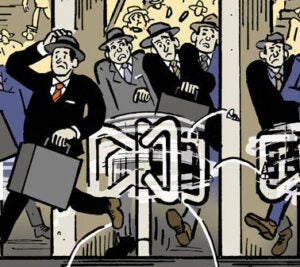
Samsung teases a shoppable TV integration with Amazon; hackers target AI search users for marketing account takeovers; and new research shows young news audiences are “social-first.”

Brave’s chief of ads Jean-Paul Schmetz on competition in the search and browser markets, the fallout from the Google Search antitrust ruling and whether AI search will help smaller upstarts compete with Big Tech.

Should businesses start advertising on AI media platforms? Yes. But it depends on how consumers in your category are already using AI and how quickly your organization can respond.

Google is getting to talk about its two favorite things during IAB’s NewFronts this week: AI and creators.
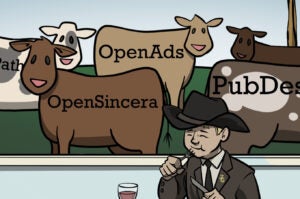
Publicis recommends some clients ditch The Trade Desk; ChatGPT reconsiders its “unlimited” enterprise subscription; and how NYC’s Washington Square Park became an influencer hub.

Influencers aren’t all on board with shoppable ads; Americans are buying less makeup; and Madison and Wall predicts growth (unless everything falls apart).

The deal is an example of OOH platforms building sales infrastructure that interoperates with agency workflows. It’s also an example of DSPs going direct to publishers.
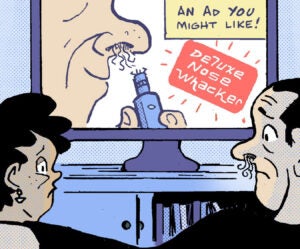
There are more pharma ads on CTV, but are they even targeted?; Gen Z longs for the ad-free TikTok of yore; and Meta buys a social network for AI agents.

Consumers today switch between screens and viewing interfaces to seamlessly view content. Now it’s time for advertisers to catch up to this convergence, so they can make ad experiences better – not worse, said Cadent CEO Doug Rozen.

“We are focused on being where the world watches video,” said Tara Walpert Levy, YouTube’s VP, Americas at the Convergent TV conference in NYC on Thursday. “And to us that now is TV.”

Fees, fees, fees. The Trade Desk is facing market pressure in all directions: from rival DSPs offering lower fee structures, SSPs and agencies clashing over its OpenPath product and bearish investors disappointed with growth. Guest Sarah Caputo, founder of consultancy Fraction Method, tells us why The Trade Desk should reduce its margin and make its fees more transparent.

It can be hard to measure the effect of advertising on in-person sales. Men’s Wearhouse partnered with measurement agency Ovative to see what was working.

Sallie, the major issuer of US education loans, is getting into the retail media network business.

Netflix unveils a conversion API; some publishers are using AI tools to expand their footprints; and CFOs are getting more involved in marketing decisions.

As audiences spend more time with creator-led video on YouTube and TikTok, the traditional publisher video stack looks out of touch. Donut Media, a hybrid creator collective and media company, is reworking that ad model.

Ad platforms are nixing credit card payments; LLMs are getting really good at unmasking online users; and McDonald’s offers a case study in how not to do organic social media.

Meta will now measure social interactions like likes, shares and comments under a new “engage-through attribution” category, replacing click-through as the default.
Enjoy this weekly comic strip from AdExchanger.com that highlights the digital advertising ecosystem …

59A develops brand algorithms by looking at both online and offline data points to determine who to reach and where to target them.

What’s the deal with viral apps?; Dentsu and WPP are off of OpenPath; and AI coding has its downsides.
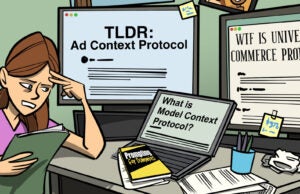
Agentic commerce can’t stop, won’t stop; Perplexity is officially done with its ads business; and AppLovin may launch its own social media platform.

A 2004 statute prevents owning enough TV stations to reach 39% of households. But without the scale afforded to other digital content companies, local TV is at a competitive disadvantage.

Why influencer marketing is all the rage; Target forays into ChatGPT ads; and Paramount Skydance’s difficult week.

Brands allocating a sizable chunk of their marketing budgets outside of Google and Meta achieve the best customer acquisition costs, proving that diversification is a performance strategy.

Twitch gets into pause ads; CEOs would love to stop talking about AI agents; and so would brands and publishers, actually!
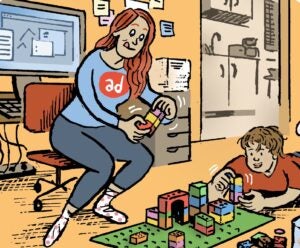
The kids companies Hasbro and Animaj have formed a co-venture for selling their ads on YouTube and streaming media.
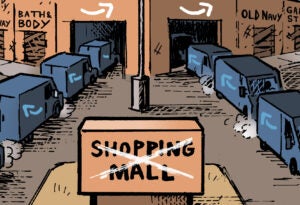
TikTok may be doubling down (again) on Shop; bots are scraping content they’re banned from; and Walmart is allegedly selling counterfeit products.
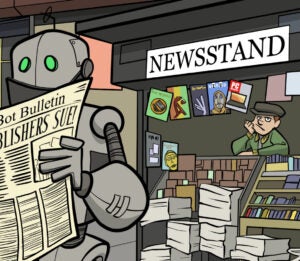
Amazon teases an AI licensing marketplace for publishers; not every country is fine with targeted gambling ads; and YouTube’s ad revenue share isn’t enough for its entrepreneurial creators.

Brands have plenty of ways to boost search visibility—paid, organic, and earned. But if a CEO demands presence in customer journey recommendation engines and is ready to pay, what can a marketer do?

There’s MMM and MTA, but no single ad measurement works for brands with multiple points of sale. On Tuesday, Northbeam launched an incrementality tool to complete what it calls “the trifecta of digital attribution.”

If you want to know what privacy regulators think about online advertising, it’s not a mystery. Just listen to what they’re saying.


The effect wasn’t just limited to news content. The Reuters.com/lifestyle vertical also had some of its brand-suitable pages blocked.

Swivel and Olyzon’s new partnership brings buy-side and sell-side agents together as early examples of an agentic marketplace.

Inside how Jones Road Beauty is trying to turn messy, conflicting measurement signals into a single testing roadmap for its media mix.