The Federal Trade Commission sued Amazon on August 31 over its ad auction practices, alleging that the company has been quietly overcharging advertisers for more than seven years via a hidden “soft reserve price.”
Basically, Amazon is being accused of placing secret minimum bids to inflate ad prices without advertisers being any the wiser. (Amazon unsurprisingly disputes these claims.)
Then, on September 2, just two days after the FTC announced its suit, Judge Leonie Brinkema handed down her remedies ruling in the DOJ’s antitrust case against Google’s ad tech business, declining to order a breakup and opting for behavioral remedies instead.
(The specifics remain under seal until September 16, but the remedies hearing in Virginia last year telegraphed the most likely outcomes, including placing limits on self-preferencing, a requirement for Google to share real-time auction data with publishers and a Prebid integration that would put rival exchanges on equal footing with Google’s AdX.)
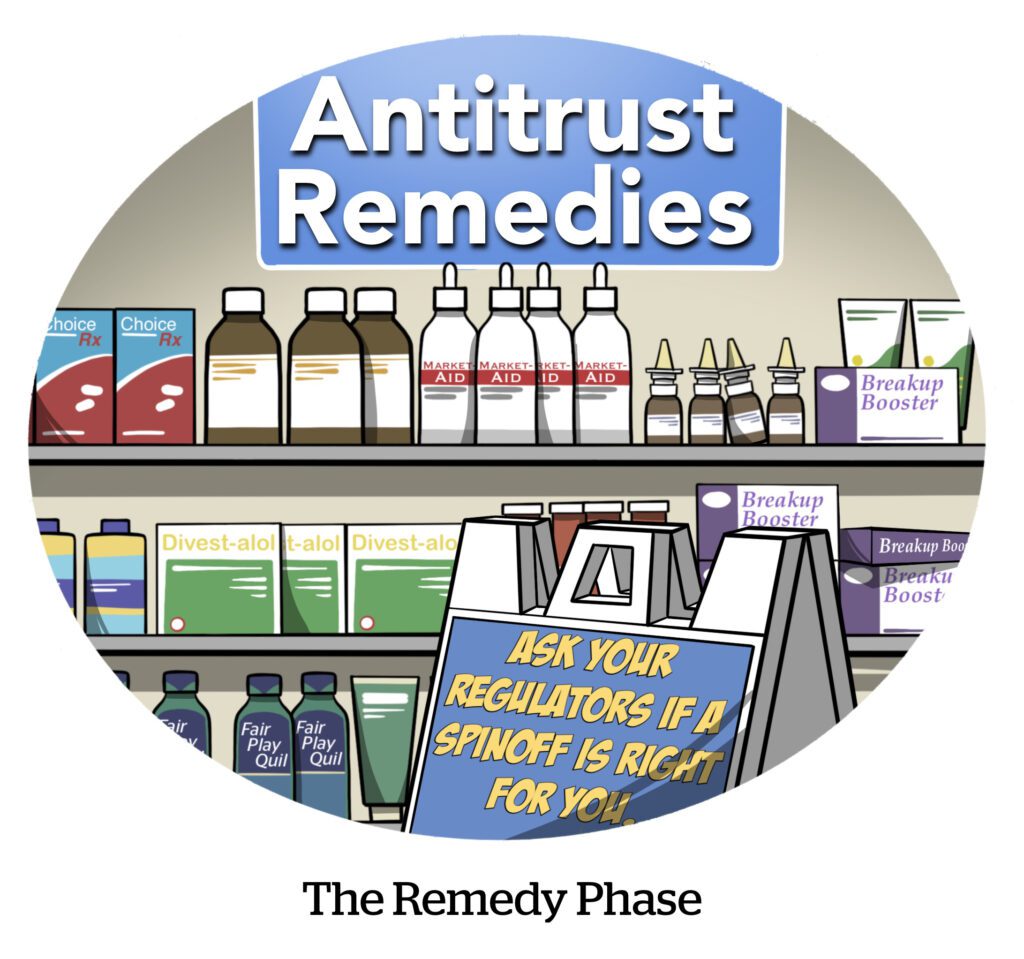
But whether behavioral remedies are enough to fix a broken market is up for debate, and it’s hard not to be cynical.
“We have seen this movie before,” said Arnaud Créput, CEO of Equativ, which, like OpenX, PubMatic, Magnite, Index Exchange and Teads, is now suing Google for damages following the court’s April 2025 monopoly ruling.

The “movie” Créput is referring to is from 2021, when France’s competition authority fined Google 220 million euros for self-preferencing and imposed behavioral remedies designed to level the playing field and improve interoperability.
Fast-forward five years, however, and “the market structure has fundamentally not changed,” Créput said. “Google remains dominant, and independent ad tech companies still compete within an ecosystem where Google controls critical infrastructure on both sides of the transaction.”
With that context in mind, what lessons can – or should – the FTC learn from the Brinkema case as it takes aim at Amazon’s ad tech?
We asked:
- Créput, who testified via deposition during the liability phase of the Google ad tech trial in 2024
- James Avery, CEO of Kevel, who testified in person
- and Adam Heimlich, CEO of Chalice AI, who testified before the Senate on Google’s ad tech dominance way back in 2020
Arnaud Créput, CEO, Equativ
We are disappointed that the court stopped short of imposing structural remedies. After finding that Google illegally monopolized key parts of the ad tech ecosystem and harmed publishers and competition, a breakup would have been the clearest way to address the structural conflicts of interest that have shaped this market for years.
The experience in France should serve as a warning. Behavioral remedies can address specific practices, but they do not necessarily eliminate the underlying incentives and structural conflicts that created the problem in the first place.
The real test of Judge Brinkema’s decision will be whether these remedies are strong, enforceable and independently monitored enough to produce measurable change. Ultimately, success should be judged by one simple outcome: whether publishers can genuinely choose alternative technologies without sacrificing access to demand or performance.
James Avery, CEO, Kevel
It’s easy to forget the DOJ actually won this case. Google was found guilty of illegally running a monopoly over how publishers sell ads and using it to squeeze both sides of the market. The remedy just didn’t go as far as a lot of us expected.
What stood out to me in the remedies phase was how careful the judge was not to blow up the system publishers now depend on, even while forcing real changes to how it works.
That’s the balance the FTC is going to have to strike with Amazon, too. It may be a different kind of case, built more around hidden auction pricing than a straight monopoly claim, but the lesson is the same. Proving the harm is the easy part; fixing it without breaking something else is the hard part.
Adam Heimlich, CEO, Chalice AI
I suppose there is a temptation not to go as hard as the DOJ did against Google. But aiming lower will not produce a better result. After the smoke has cleared, people will realize that the value of US v. Google (both of them) was pulling back the curtain on how Big Tech operates.
It’s hard to imagine what happens to motivated players who simply have too much power, or to foresee how decisions that make sense when you’re vulnerable become destructive simply because a market is locked up.
US v. Google has demonstrated that vigilance is lacking and simply no one other than the government is able to provide it.
Answers have been lightly edited and condensed.