

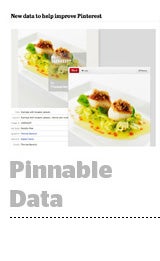
 Last week was a busy one for photocentric platform Pinterest, which unveiled both related pins and a data agreement with Getty Images.
The Getty deal looks good for brands and Pinterest’s 70 million users, experts said.
On the one hand, it looks like “a quality-control mechanism, which is likely aimed at supporting monetization while maintaining user engagement,” said Jennifer Polk, a digital marketing analyst for Gartner. “There is a strong need to satisfy the community in order to create and maintain a platform that draws the attention and dollars of brands and advertisers.”
One of the major issues Pinterest has faced to date, said Sharad Verma, CEO of a Pinterest, Instagram and Tumblr analytics platform called Piqora, is the “dead end.” Pinterest’s goal is to ensure pins ultimately point to a page where people can buy the product or to maintain accurate metadata within the platform itself that leads to a relevant experience, he said.

Now, Pinterest has hooks to Getty Images data with information like who took the picture, where it was taken and what content it contains. This, essentially, rounds out tags on Pinterest images with more verifiable data. Getty Images acquired image-recognition technology company PicScout in 2011 as a way to “safeguard and manage creators content.” Naturally, Pinterest could benefit from PicScout’s image-crawler technology through the deal.
“I was a director of product management at Yahoo Search and there are a lot of interesting parallels here,” Verma remarked. “The biggest thing that improved the click-through of an ad on search was if you included the word ‘official.’ Consumers get drawn to official results, official websites. It lends credibility. With the attribution of the images, or showing that this image is actually from Etsy or Getty, it creates a [verified] piece of real estate for a brand like Getty to get [credit for] that attribution.”
In a blog post, Pinterest product manager Michael Yamartino wrote, “We’ve been working with partners to get more data into Pinterest to help us make recommendations, make pins more useful and even offer notifications when prices drop.” As part of the data agreement with Getty, the company will be paid for any data it shares. Pinterest noted it’s “just getting started” with Getty.
With Pinterest’s push to surface related pins through improved discovery, the platform is after a sophisticated learning algorithm. “One of the things we used to say at Yahoo was the main reason why it’s hard to compete with Google on search is because search gets better with data,” Verma said. “So I think Pinterest now has a critical mass of data and enough users to bring in the algorithms and users’ expressed selection” to produce a product directly derived from purchase intent.
With Pinterest touting its ability to make pins more “valuable” to consumers with additional pin data, Pinterest could foreseeably forge more data partnerships of the likes of Getty to enrich its data mass. Images are becoming increasingly important for measurement.
With Twitter rolling out visual tweets, that social platform joins the ranks of Pinterest, Tumblr and Instagram in the makings of a more visual Web. Platforms like Curalate and Piqora, through integrations to analytics platforms like Google Analytics, Omniture and Coremetrics, foster campaign recommendations based on revenue and clicks attributed to Pinterest pins. With retailers adopting “Pin It” buttons along the lines of the ShareThis social plugin, it’s only a matter of time before images share the same fate as shared links.







