
Google’s Antitrust Teflon; Apple Goes For Map Ads
Judge tosses Helena World Chronicle case against Google; Apple will introduce ads to Maps; EU broadcasters push DMA “gatekeeper” label for Big Tech in CTV.

Judge tosses Helena World Chronicle case against Google; Apple will introduce ads to Maps; EU broadcasters push DMA “gatekeeper” label for Big Tech in CTV.

The age-old question for streaming TV advertisers is, how to target the viewers they want while reaching the scale their businesses need. The quick-serve restaurant operator CKE, which owns Carl’s Jr. and Hardee’s, sought an answer in a case study with Attain and Amazon Ads.

One web page now needs as much memory to run as an entire operating system did 30 years ago; not even advertisers understand the industry’s acronyms; and prediction markets want to sponsor individual journalists.

Complexity hasn’t made the CTV supply chain difficult to trust. This is a transparency problem and, more specifically, an ads.txt problem.

2026 is the year CTV will bridge the gap between branding and performance. Fresh off the Convergent TV World event, our team discusses the rise of performance TV, shifting live sports rights and the impact of M&A on the streaming experience in this future-facing episode.
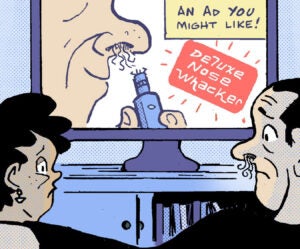
There are more pharma ads on CTV, but are they even targeted?; Gen Z longs for the ad-free TikTok of yore; and Meta buys a social network for AI agents.

Consumers today switch between screens and viewing interfaces to seamlessly view content. Now it’s time for advertisers to catch up to this convergence, so they can make ad experiences better – not worse, said Cadent CEO Doug Rozen.

Marketers who want to remain competitive need to reexamine the way they view, plan and measure performance across video and streaming platforms. If they’re still debating programmatic vs. direct or linear vs. streaming, then they’re missing out on the real meaning behind convergent TV, according to Mike Fogarty, head of client development, brand and agency […]

Is brand advertising bad now,?; Prediction markets are targeting college students; and performance TV is a real thing, maybe.

“We are focused on being where the world watches video,” said Tara Walpert Levy, YouTube’s VP, Americas at the Convergent TV conference in NYC on Thursday. “And to us that now is TV.”

The NHL develops new revenue streams; malware makes its way into the programmatic ecosystem; and Target plans to open 30 new locations this year, along with revamping existing ones.

The divergence between the DSPs reveals shifting buy-side priorities. Advertisers have grown wary of how The Trade Desk earns margin, where its algorithm steers inventory and how these strategies compete with buyer goals.
DS-1, a new agentic AI interface developed by audience platform Dstillery, aims to reduce manual inefficiencies within audience curation.

Onetag’s acquisition of creative ad tech platform Aryel equips its curation solution with new tools for tweaking and testing interactive ad creative.

The problems with FAST’s rapid growth; streaming viewers get a bot-powered alternative to subscriptions and ads; and IAS uncovers a mobile app fraud network that infected millions of devices.

PubMatic says adoption of its AgenticOS, combined with strong CTV and mobile demand, set the stage for double digit growth in the second half of this year.

The future of retail media depends on a shift away from siloed in-store and online metrics to a full-funnel approach that reflects how customers actually shop.

OpenX and Givsly’s new curation solution lets political campaigns reach voters based on data sourced from nonprofits, rather than traditional party affiliation.
The Winter Olympics show us how far streaming live sports has come – and how much linear viewership remains. Plus: CPGs are pulling back on ad spend, as they steer through economic challenges and the ripple effects of policy decisions.

A 2004 statute prevents owning enough TV stations to reach 39% of households. But without the scale afforded to other digital content companies, local TV is at a competitive disadvantage.

“Transitional.” “Developing.” “Work-in-progress.” Those are the best descriptions of the current state of TV and video convergence, according to the top leaders influencing the video advertising landscape.

At the risk of getting dorky with sports metaphors, DTC agency Rain the Growth already has a game plan to make sure its programmatic placements are a slam dunk.

Google faces another antitrust investigation; Americans want free, ad-supported news; and the K-shaped economy dings mass-market manufacturers.

The OAAA’s new content taxonomy introduces new subcategories that OOH media owners can use to classify their inventory in OpenRTB bid requests.

When it comes to managing fraud, there are four steps CTV publishers should take to remove bad actors from the supply chain.

“Performance CTV” oversimplifies how television actually drives value, and the focus on performance all but guarantees that campaign results will be misinterpreted.

All of Cadent’s SSP’s CTV supply paths are now direct; Netflix is thriving on repurposed YouTube content; and the Washington Post continues to struggle.

Advertising’s “agentic” future is a compelling vision, but one that relies on capabilities that do not exist yet. AdCP may one day make buying easier, but it will not make buying better by itself.
Maggie Zhang from Amazon Ads talks interactive video strategy, including opportunities on Amazon Prime Video and which genres drive the most engagement.

This year, programmatic companies faced tough decisions about privacy, awkward acquisitions and the cookie die-off that never quite happened.