
People Inc. Says Who Needs Google?
People Inc. is offsetting a 50% decline in Google search traffic through off-platform growth and its highest digital revenue gains in five quarters.

People Inc. is offsetting a 50% decline in Google search traffic through off-platform growth and its highest digital revenue gains in five quarters.

From headline to punchline, AdExchanger’s weekly comics distill ad tech industry news into something our readers can laugh about. These are our faves of the year.

The fate of the open web will be decided on who controls the data that drives monetization and the AI that determines distribution. Google controls both, and proposed remedies to its ad tech monopoly do not address this imbalance.
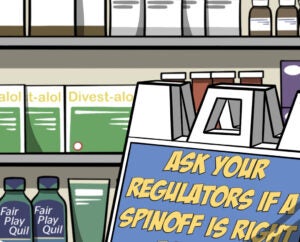
Enjoy this weekly comic from AdExchanger.com that highlights the digital advertising ecosystem …

In the Google search case, a forced spin-off of Chrome was never gonna happen, but a court-ordered divestiture of GAM isn’t beyond the pale in the ad tech case, says Geoffrey Manne, president and founder of the International Center for Law and Economics.
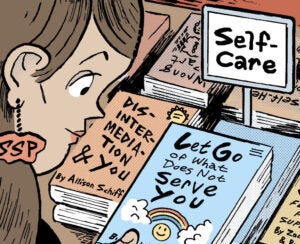
GAM’s dinner with ad agencies sparked speculation that Google is preparing to spin off its bundled SSP and ad server as a remedy to its ad tech monopoly. But Google says it’s just part of the trend of SSPs going direct to buyers.

Google’s SSP tries to cut out its DSP ahead of a possible ad tech breakup; Perplexity’s head of ads skips town; and Amazon’s search ad pause flooded the market with big spenders.

Last week, the DOJ and Google filed their respective witness lists and the exhibit lists for the remedy phase of the ad tech antitrust trial. Lots of familiar faces!
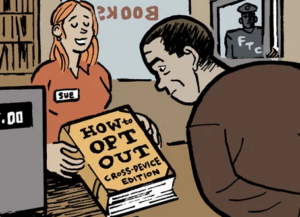
Data brokers de-index their opt-outs; Meta is still the go-to for influencer ads; and Perplexity offers to buy Chrome.

The SSP is betting on the DOJ’s antitrust remedies, plus closer relationships with agencies, DSPs and mid-sized advertisers, to help it eat some of Google’s lunch.

Programmatic promised clarity: automation, efficiency and measurable outcomes. What we got instead is complexity dressed up as optimization: a stack of acronyms performing trust theater.

Former Goodway Group CEO Jay Friedman shares hot takes on everything from curation (“absurd”) to brand safety (“botched”).
Enjoy this weekly comic strip from AdExchanger.com that highlights the digital advertising ecosystem …

When platforms choose to label any significant portion of an ad buy as “other,” it’s a deliberate decision to withhold information for the seller’s benefit and the buyer’s detriment.

If the court ultimately orders Google to spin off AdX or DFP, the result would be a fundamental rebalancing of power across the digital advertising supply chain. For marketers, the implications are just as significant.

More competition between SSPs and ad servers should be a boon for publishers in the long term. But publishers will feel some growing pains if there is a sudden disruption in Google’s ad payouts or if their ad server fees increase.

The wave of ad tech headlines in recent weeks represents a long overdue moment of reckoning for companies who (still) hold disproportionate control over publishers’ website traffic and revenue potential.

Longtime Google exec Stephen Yap on why he left after more than 17 years to become CRO of Perion Network: “There’s a better future out there, one that’s a lot more efficient.”

Tune into the first episode of the year with guest Andrew Frank, VP and distinguished analyst at research firm Gartner. We cover a lot of ground, from the impact of multiple major Big Tech antitrust trials to practical AI use cases (minus the BS).

Every week, we publish an original comic creation inspired by trends in the online advertising industry. These are the stories – and the highly specific double entendres – behind AdExchanger’s top 10 comics of 2024.

As the ad industry awaits Judge Leonie Brinkema’s decision in US v. Google (ad tech edition), get up to speed quick with AdExchanger’s in-depth coverage.

Digital Content Next CEO Jason Kint shares insights from inside the courtroom during closing arguments in US v. Google, ad tech antitrust edition. Plus: We noodle potential remedies in the search antitrust case against Google.
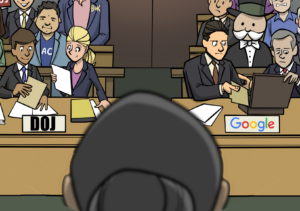
Google and the DOJ were given roughly 90 minutes apiece to present their closing arguments, and Judge Brinkema could interrupt and ask questions throughout. She had some great ones.

A Google breakup could lead to a more fragmented market, with multiple smaller entities competing for ad space. This will almost certainly result in increased competition and higher ad rates for publishers.

If you’re trying to read more than 1,000 pages of legal documents about the US v. Google ad tech antitrust case on Election Day, you’ve come to the right place.

If the DOJ wins its ad tech antitrust case against Google, it shouldn’t force a breakup, says Arete Research’s Richard Kramer, who proposes this novel solution instead: Google should spin out its network business into a public interest corporation with no hidden fees.

The catalyst for Google’s future success – regardless of any legal ruling – is its YouTube strategy. Opening YouTube’s ad inventory to outside demand will increase its value.

Google isn’t perfect. But it offers convenient, cost-effective advertising tools that millions of small businesses use to find customers, grow and succeed. If the DOJ breaks up the company, it will also break those tools.
A web crime ring that sold Facebook account service tickets collapses in dramatic fashion; how US antitrust precedent could inform the DOJ/Google ad tech trial; and more publishers turn to paywalls as the open web shuts its gates.

Chrome Privacy Sandbox adds support for deal IDs and extends Protected Audiences’ lifespan to 90 days; Google’s ad tech antitrust trial could open YouTube to DSPs other than DV360; and former Kubient CEO charged in accounting fraud scheme.