Media In 2026: From Managed Decline To Ruthless Independence
The era of “managed decline” is over; the era of existential clarity has begun. Publishers are no longer guessing what the post-platform world looks like. We are living in it.

Publishers must coalesce to gain a credible bargaining position and stop the bleeding caused by AI search. From there, we must put the processes in place to actually operate a licensing mechanism.
TTD says OpenAds is not just a reaction to Prebid’s TID change, but a new model for fairer, more transparent ad auctions. So what does the DSP need to do to get publishers to adopt its new auction wrapper?
IAB Tech Lab CEO Anthony Katsur didn’t mince his words when declaring unauthorized generative AI scraping of publisher content “theft, full stop.”
Most sell-side curation deals appear in line with typical SSP take rates, according to Jounce Media. In fact, some of these fee structures resemble how publishers have long done business with supply-side partners.
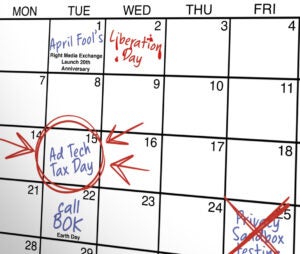
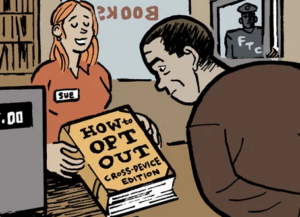
To commemorate Data Privacy Day on Jan. 28, my gift to you is an update on something I think is about to get a lot more attention: universal opt-out mechanisms.
The first half of this decade has left publishers reeling from a pandemic jab and an AI uppercut that rearranged our reality and knocked us to our knees. Here’s how pubs and their ad tech partners can punch back in the years ahead.
A new storyline is emerging around curation, one in which publishers feel they’ve lost out to middlemen on yet another opportunity to monetize their audiences.
2024’s most popular guest columns offer a snapshot of an industry in flux – and one that’s grown cynical due to repeated promises of unrealized change.
Publishers expect the agencies will eliminate tech redundancies as they consolidate, which could compel pubs to shed redundant tech themselves. The merger could also entrench principal-based buying, which may not be a bad thing.
Competing agendas are limiting the tools publishers have at their disposal in ways that aren’t always primarily motivated by user privacy. Here are five things about privacy in digital media that should keep publishers up at night.
While 2023’s return to fiscal responsibility made for rough waters, it will pale in comparison to 2024. Here are eight trends worth watching.
Alex Cone, product manager for the Google Privacy Sandbox, addressed some of the industry’s burning questions during AdExchanger’s Programmatic IO event in New York City last week.
The machines are learning. They’re also generating emails. And publishers that monetize on identity could be in for a rude awakening if they don’t have an “MGE mitigation plan” in place as part of their overall email authentication strategy, said Scott Messer, a media consultant and founder of Messer Media. Yes, MGE. Add it to […]
Privacy Sandbox APIs will be generally available starting in July. That means publishers have roughly one year to get acclimated … and to raise any red flags to regulators.
To help businesses operate in a complicated legislative landscape, the MSPA offers a contractual framework and consent management guidance for compliance. But what do publishers need to know about implementing the MSPA?
Google Ad Manager (GAM) was out of commission for about three hours Thursday evening across web, app and video inventory. Any ad placement served through GAM, even ads monetized by a non-Google SSP, went dark, leading to lost revenue for publishers of all sizes at a time when they can least afford to lose out on revenue.
Google’s decision to kick the can on cookie deprecation even further down the road to 2024 did not come as a shock to many in the digital advertising industry. The longer runway will give advertisers and publishers more time to test post-third-party-cookie solutions. But despite the temptation to procrastinate, publishers and tech vendors told AdExchanger they don’t anticipate straying too far from the road maps they’d already established to meet the previous 2023 deadline.
The IAB Tech Lab’s seller-defined audience (SDA) spec is touted as a key contextual targeting alternative for the post-third-party-cookie digital ad ecosystem – one predicated on privacy-friendly addressability and publisher first-party data monetization. Some publishers are enthusiastic about testing SDA campaigns in the run-up to Google’s 2023 deadline for the phaseout of third-party cookies in Chrome. There is growing concern, however, about a marked lack of advertiser interest in doing the same.
The impending Google customer force-shift from Universal Analytics (UA) to Google Analytics 4 (GA4) represents a major change to how advertising ROI will be measured via Google’s services going forward. But publishers that spoke to AdExchanger about their migration plans aren’t feeling the same pressure as with, say, preparation for third-party cookie deprecation, Google’s other major upheaval scheduled for next year.
“The Sell Sider” is written by members of the media community and contains fresh ideas on the digital revolution in media. Today’s column is written by Scott Messer, SVP of media, Leaf Group. Last month we looked at how publishers may be losing their grasp on the contextual opportunity ahead. This month, we’ll explore the […]
“The Sell Sider” is written by members of the media community and contains fresh ideas on the digital revolution in media. Today’s column is written by Scott Messer, SVP of media at Leaf Group. As the cookie crumbles, publishers are on the precipice of a power-balance reset, and the opportunity is theirs to lose. In […]