To the untrained ear, Disney’s Q3 earnings call on Wednesday morning probably sounded like the usual ode to theme parks, movies and sports streaming.
But to the trained ear, it was really about two things: what Disney is doing with the cash it didn’t spend on OpenAI – and how it plans to lean into AI anyway.
Disney’s total Q3 (don’t even try to understand the structure of their fiscal year) revenue hit $25.3 billion, up 7% from the previous year. It also bumped up its share repurchase program to roughly $9 billion, up from about $7 billion, as it shifts around cash, much of which “had been set aside previously for the OpenAI deal,” said Disney CFO Hugh Johnston.
Read: Sorry the aborted deal with Sora was a hot mess, we’ll make it up to our investors.
Disney’s buyback program also got a boost from the $1.2 billion it received for selling its 50% stake in A&E Global Media to Hearst this week, giving it another source of cash to return to shareholders.
If at first you don’t succeed…
But back to Sora, just because one AI licensing deal fell apart doesn’t mean that Disney is shying away from future licensing deals, nor is it shying away from AI.
To coincide with earnings on Wednesday morning, Disney and TikTok announced a deal that will give TikTok creators access to Disney assets and IP so they can generate their own content using Disney scenes and characters.
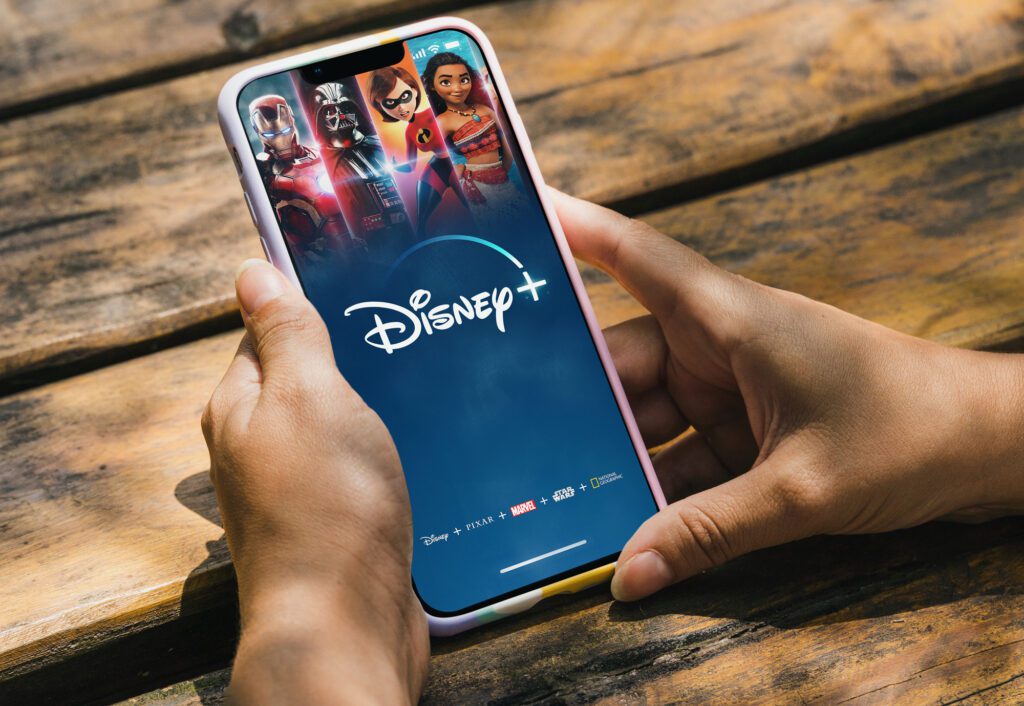
The deal “will bring more curated feeds and fan-created content” onto the Verts feature of Disney+, said Disney CEO Josh D’Amaro. (Verts is Disney’s new vertical video feed.)
Regarding AI, D’Amaro, like most CEOs these days, could hardly contain his excitement, insisting that it offers “the most innovative tools to [Disney’s] storytellers,” and is central to “enhancing a creative process that will always be human-centered, artist-driven, and creator-led.”
In movies, for example, AI is being used to develop 3D offerings and incorporate visual effects into shots “where it would have been previously difficult or maybe even not economically viable,” said D’Amaro.
But D’Amaro also talked about the less flashy side of the business: infrastructure and “unifying the tech stacks.” Now that Hulu subscribers can connect their profiles and watch history to Disney+, he said that Disney is working on integrating data sets that have “historically been disparate.” (Note that during Paramount-Skydance’s Q2 earnings call on Tuesday evening, its leadership made nearly the exact same point about centralizing the tech stacks of its main streaming properties.)
Overall, bundling streaming products has proved incredibly successful for Disney. Its trio bundle that includes Disney+, ESPN Unlimited and Hulu has “the lowest churn base that we have when we look at similar 10-year cohorts,” said D’Amaro.
Ads? What ads?
But when it came to advertising, the company didn’t have much to say, although Johnston did note that live events – including the Super Bowl, the Oscars and the college football national championships – have all been bright spots for Disney’s ads business.
And when asked about Disney’s views on FAST channels and whether it would ever offer one, D’Amaro said that the company is “exploring a free product for customers” to reach a wider base of more price-conscious consumers.
“Unlike a lot of our AVOD competitors,” he added, “we’re fairly well sold, meaning more inventory would actually help us accelerate our ad revenue growth.”
Meanwhile, behind the scenes, Disney’s marketing team is using AI to improve its recommendation engine for streaming, he added, and also “exploring” AI-powered creative.
Hopefully this incarnation of Disney’s AI strategy works out better than the short-lived Sora partnership did.